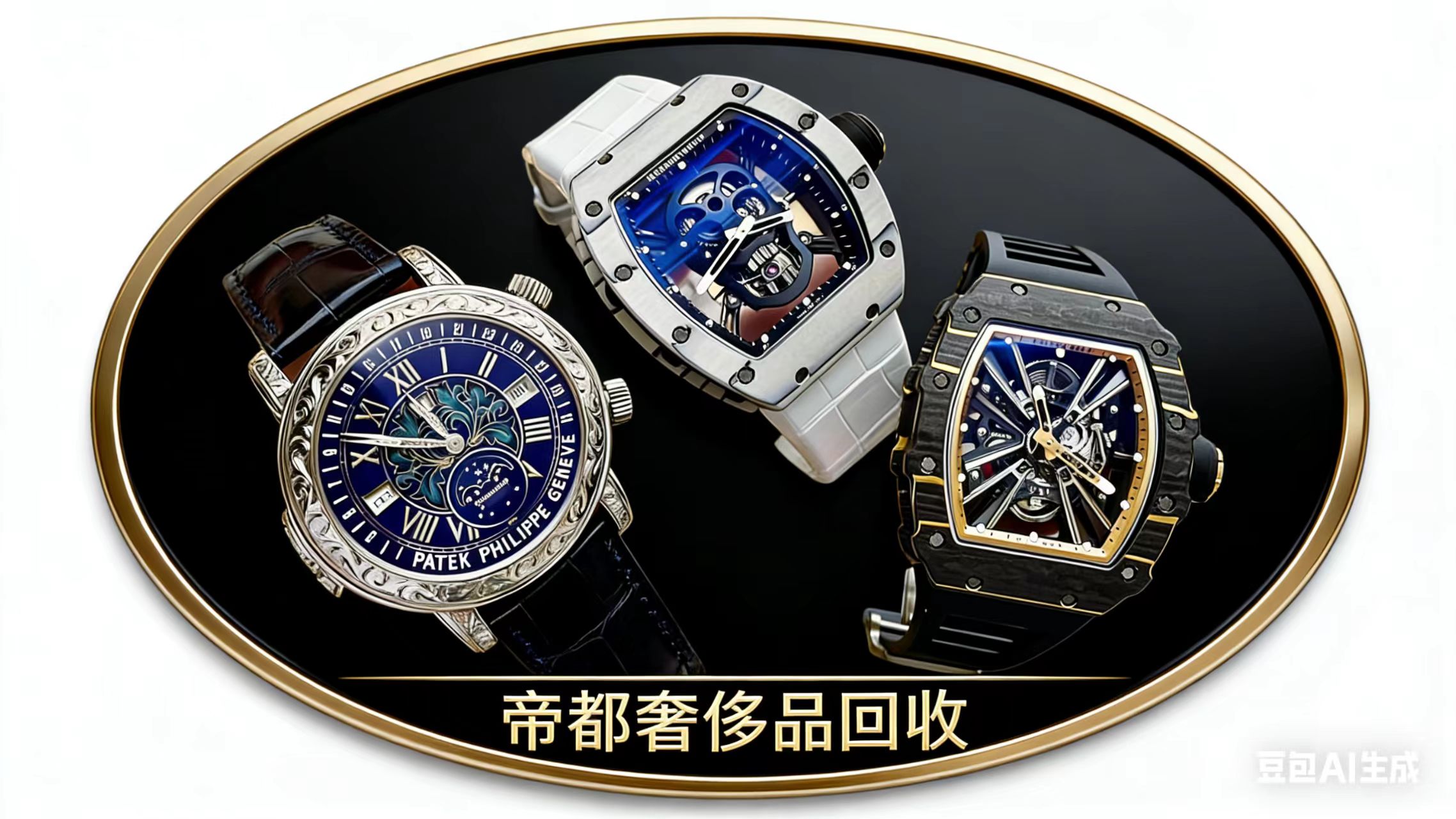
二手名表回收的议价流程是怎样的?,What is the bargaining process for pre-owned luxury watch recycling?
二手名表回收的市场背景
近年来,随着奢侈品消费观念的改变和可持续发展理念的普及,二手名表回收逐渐成为一种趋势。这不仅为消费者提供了更经济的选择,也促进了名表的循环利用。
评估阶段
在进行名表回收之前,首先需要对手表进行全面评估。此步骤通常包括:
- 外观检查:评估手表的整体状态,包括划痕、磨损和配件完整性。
- 功能测试:检测手表是否正常运作,例如走时精确度及其他功能是否完好。
- 附件审查:确认原盒、保修卡及购物发票等附加物品的存在,以增加附加值。
品牌与型号
不同品牌和型号的名表在市场上的价值差异显著,因此,准确识别手表的品牌、型号以及生产年份对于后续的议价过程至关重要。例如,某些限量版或经典款式往往能吸引更高的回收报价。
议价流程
一旦评估完成,就进入了实际的议价阶段。此过程通常包括如下几个环节:
- 初步报价:基于对手表的评估,回收商会给出一个初步报价。这一报价一般是根据市场行情、手表状态以及历史成交价综合考虑得出的。
- 买家谈判:作为卖家的您,可以对初步报价提出异议,说明手表的特别之处,对比市场价格,提出您的期望报价。
- 回收商调整报价:在讨论中,回收商可能会做出一定的调整,但通常会受到其成本结构和市场行情的限制。因此,了解当前市场价格非常重要。
信息透明的重要性
在议价过程中,保持信息透明至关重要。若卖家能够提供详细的购买凭证、保养记录等资料,将大大提高议价成功的几率。相反,如果信息不全,可能会影响到最终的回收价格。
成交与交付
当双方就价格达成一致后,接下来就是合同签署和交付过程。在这个阶段,卖家需确保所有附属物品如原盒和文件一并交付,而买方则应提供正规的付款凭证以保证交易的安全。
后续服务
一些专业回收机构如帝都奢侈品回收,甚至会提供后续服务,例如帮助卖家寻找潜在买家或进行名表鉴定。这种增值服务不仅有助于提升客户满意度,也为顾客提供了更多的保障。
总结
在整个二手名表回收的议价流程中,充分准备、科学评估和有效沟通都是不可或缺的要素。掌握这些要点,将使消费者在回收过程中更加顺利,达到预期效果。
Market Background of Second-Hand Luxury Watch Recycling
In recent years, with the changing consumption concept of luxury goods and the popularization of sustainable development ideas, the recycling of pre-owned luxury watches has gradually become a trend. This not only provides consumers with more economical choices but also promotes the circular use of luxury timepieces.
Evaluation Stage
Before proceeding with watch recycling, a comprehensive evaluation of the watch is essential. This step typically includes:
- Appearance Check: Assessing the overall condition of the watch, including scratches, wear, and completeness of accessories.
- Function Test: Checking whether the watch operates normally, such as accuracy in timekeeping and functionality.
- Accessory Review: Confirming the presence of original boxes, warranty cards, and purchase receipts to increase added value.
Brand and Model
Different brands and models of luxury watches show significant variations in market value; therefore, accurately identifying the brand, model, and production year of the watch is crucial for the subsequent bargaining process. For instance, certain limited editions or classic models often attract higher recycling offers.
Bargaining Process
Once the assessment is complete, the actual bargaining phase begins. This process typically involves the following stages:
- Initial Offer: Based on the assessment of the watch, the recycler will make an initial offer. This offer is generally derived from market conditions, the state of the watch, and historical transaction prices.
- Buyer Negotiation: As the seller, you can contest the initial offer by highlighting the watch's unique aspects, comparing market prices, and proposing your expected price.
- Recycler Adjusting the Offer: During discussions, the recycler may adjust the offer somewhat, but it is usually constrained by their cost structure and market trends. Thus, understanding current market prices is essential.
Importance of Information Transparency
Maintaining transparency in information during the bargaining process is critical. If the seller can provide detailed purchase receipts, maintenance records, and other documentation, this greatly increases the chances of successful negotiations. On the contrary, insufficient information may affect the final recycling price.
Transaction and Delivery
When both parties reach an agreement on the price, the next steps involve signing contracts and the delivery process. At this stage, the seller must ensure that all ancillary items such as the original box and documents are handed over, while the buyer should provide formal payment receipts to ensure the safety of the transaction.
After-Sales Service
Some professional recycling agencies, such as 帝都奢侈品回收, even offer after-sales services, like assisting sellers in finding potential buyers or conducting luxury watch authentication. These value-added services not only help to enhance customer satisfaction but also provide additional security for consumers.
Conclusion
Throughout the entire bargaining process of second-hand luxury watch recycling, thorough preparation, scientific evaluation, and effective communication are indispensable elements. Mastering these points will enable consumers to navigate the recycling process smoothly and achieve desired outcomes.