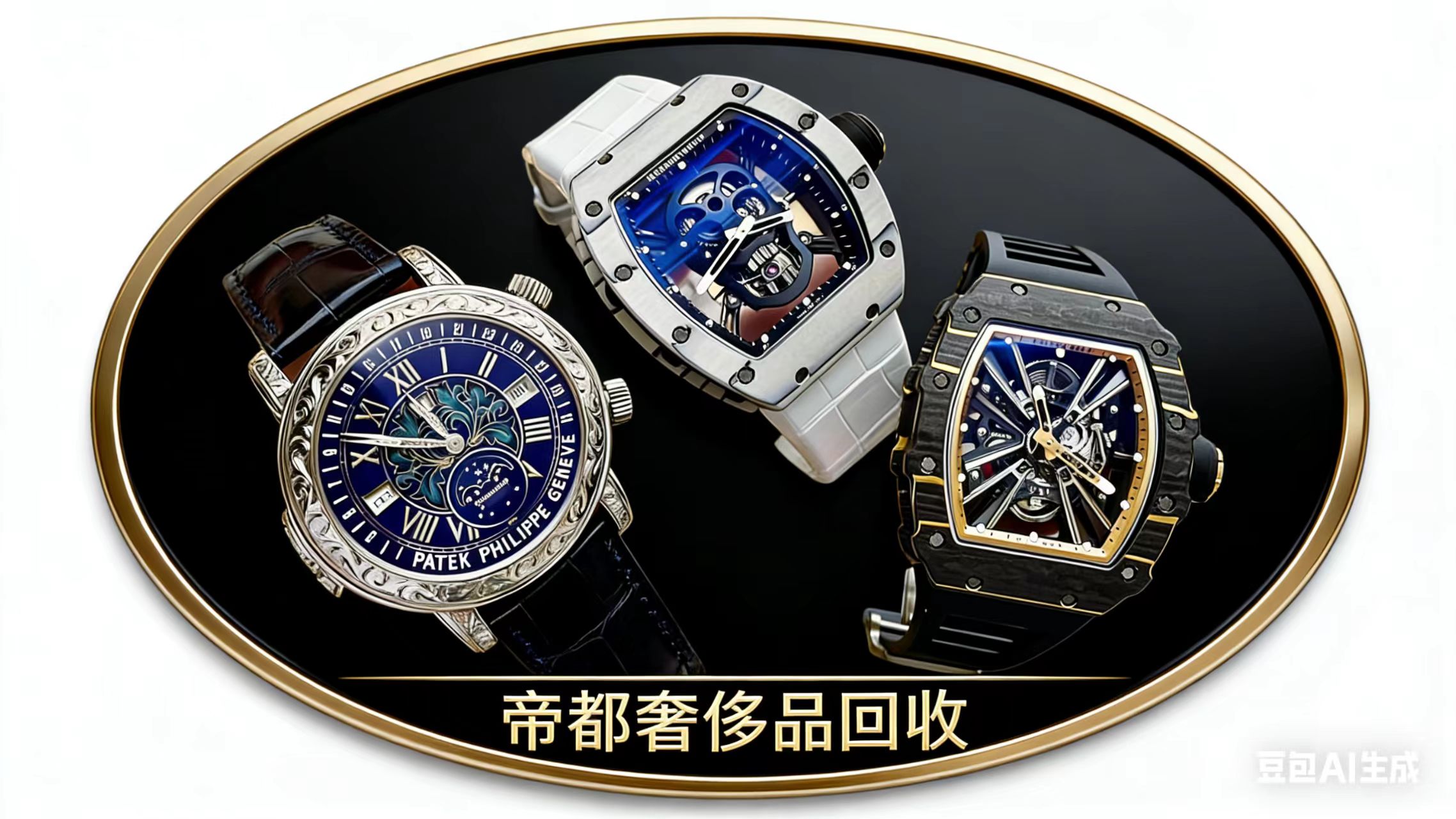
二手手表回收时回收商会关注哪些核心部件?,Which core parts do recyclers pay attention to when recycling second-hand watches?,
二手手表回收时的核心关注点
在奢侈品市场中,二手手表的回收逐渐成为一种流行趋势。尤其是在年轻消费者群体中,对奢侈品的购买方式发生了转变,很多人开始倾向于通过回收交易来获取名牌手表,这样可以实现财富的循环利用。在这个过程中,回收商会对一些核心部件给予特别关注,以确保手表的真实价值。
机芯的质量与性能
首先,回收商在评估二手手表时,会将机芯的质量作为核心判断标准之一。机芯是手表的心脏,其性能直接关系到手表的精准度和耐用性。一款优秀的机芯不仅具备良好的走时能力,还经得起长时间的使用,因此对机芯进行详细的鉴定,是回收商必不可少的工作步骤。
常见机芯类型
- 机械机芯:通常由发条、齿轮等零部件组成,具有高端的工艺水平。
- 石英机芯:以电池为动力,走时精准,适合日常佩戴。
外壳状况的检测
其次,二手手表的外壳状况也是回收商关注的重要方面。手表外壳不仅影响美观,还直接关联到手表的防水、防震等功能。通过仔细检查外壳上的划痕、凹陷或氧化现象,回收商能够更准确地评估手表的整体价值。
材料的选择
手表外壳的材质通常包括不锈钢、黄金、铂金等。不同材料的外壳在保值性和耐磨性上存在差异,因此在回收时,这些因素都需被纳入考虑。
表盘和指针的完整性
此外,表盘及其指针的完整性也不可忽视。任何缺失或损坏的零件都会严重影响手表的价值。在这一环节,回收商往往会特别注重以下几个方面:
- 表盘的字体是否清晰,是否存在褪色。
- 指针的形状和颜色是否完好。
- 是否有任何污渍、霉斑等影响美观的情况。
附件与原装配件
对于某些品牌的手表而言,原装配件如盒子、保卡乃至购物小票也极为重要。这些附件不仅能证明手表的真伪,也能极大提高其回收价值。因此,回收商在交易时,通常会询问卖家是否提供这些原装配件。
品牌影响力与流通性
最后,知名品牌的影响力以及市场流通性也会对二手手表的回收价格产生重要影响。许多消费者倾向于购买那些历史悠久、声誉卓著的奢侈品牌,因此回收商在评估手表时,往往会考虑品牌的知名度及其在二手市场中的热度。这一点尤为在「帝都奢侈品回收」等专业回收商中体现得淋漓尽致,他们对品牌的认知度高,能够迅速判断出手表的潜在价值。
总结
综上所述,二手手表的回收过程并非简单的买卖行为,而是涉及多个核心部件的细致评估。因此,了解回收商所关注的关键部件,不仅能帮助卖家更好地准备手表,也能提高他们的交易成功率。
Core Parts of Interest in Second-Hand Watch Recycling
In the luxury goods market, the recycling of second-hand watches has gradually become a popular trend. Particularly among younger consumers, there is a shift in purchasing habits towards acquiring brand-name watches through recycling transactions, allowing for the circular use of wealth. In this process, recyclers pay special attention to certain core components to ensure the true value of the watch.
Quality and Performance of the Movement
First and foremost, recyclers regard the quality of the movement as one of the key evaluation standards when assessing second-hand watches. The movement serves as the heart of the watch, directly related to its accuracy and durability. A superior movement not only possesses excellent timekeeping capabilities but can also withstand prolonged use; thus, conducting a detailed assessment of the movement is an indispensable step for recyclers.
Common Types of Movements
- Mechanical Movement: Typically composed of mainspring, gears, and other components, showcasing high-end craftsmanship.
- Quartz Movement: Powered by a battery, offering precise timekeeping and suitability for daily wear.
Condition of the Case
Secondly, the condition of the case of the second-hand watch is another crucial aspect that recyclers pay attention to. The case not only affects aesthetics but also directly relates to water resistance, shock resistance, and other functionalities. By meticulously checking for scratches, dents, or oxidation on the case, recyclers can more accurately assess the overall value of the watch.
Material Selection
The watch case is typically made from materials such as stainless steel, gold, or platinum. Different materials exhibit varying degrees of value retention and wear resistance; thus, these factors must be considered during the recycling process.
Integrity of the Dial and Hands
Additionally, the integrity of the dial and hands is not to be overlooked. Any missing or damaged components can severely diminish the watch's value. In this stage, recyclers often focus on the following aspects:
- Whether the dial's font is clear and free of discoloration.
- Whether the shape and color of the hands are intact.
- Whether there are any stains, mildew, or other unsightly conditions.
Attachments and Original Accessories
For certain brands of watches, original accessories such as boxes, certificates, and even purchase receipts hold great importance. These attachments not only serve as proof of authenticity but can also significantly enhance the resale value. Therefore, recyclers typically inquire whether sellers can provide these original accessories during transactions.
Brand Influence and Market Circulation
Finally, the influence of well-known brands and their market circulation can greatly impact the recycled price of second-hand watches. Many consumers prefer purchasing established luxury brands with a prestigious reputation. Consequently, when evaluating a watch, recyclers often consider the brand's recognizability and its popularity in the second-hand market. This is particularly evident among professional recyclers such as "帝都奢侈品回收," who possess a profound understanding of brands and can quickly assess the potential value of a watch.
Conclusion
In conclusion, the process of recycling second-hand watches is not merely a simple buying and selling activity but involves a meticulous assessment of multiple core components. Thus, understanding the key parts that recyclers focus on can aid sellers in better preparing their watches and increase their chances of successful transactions.