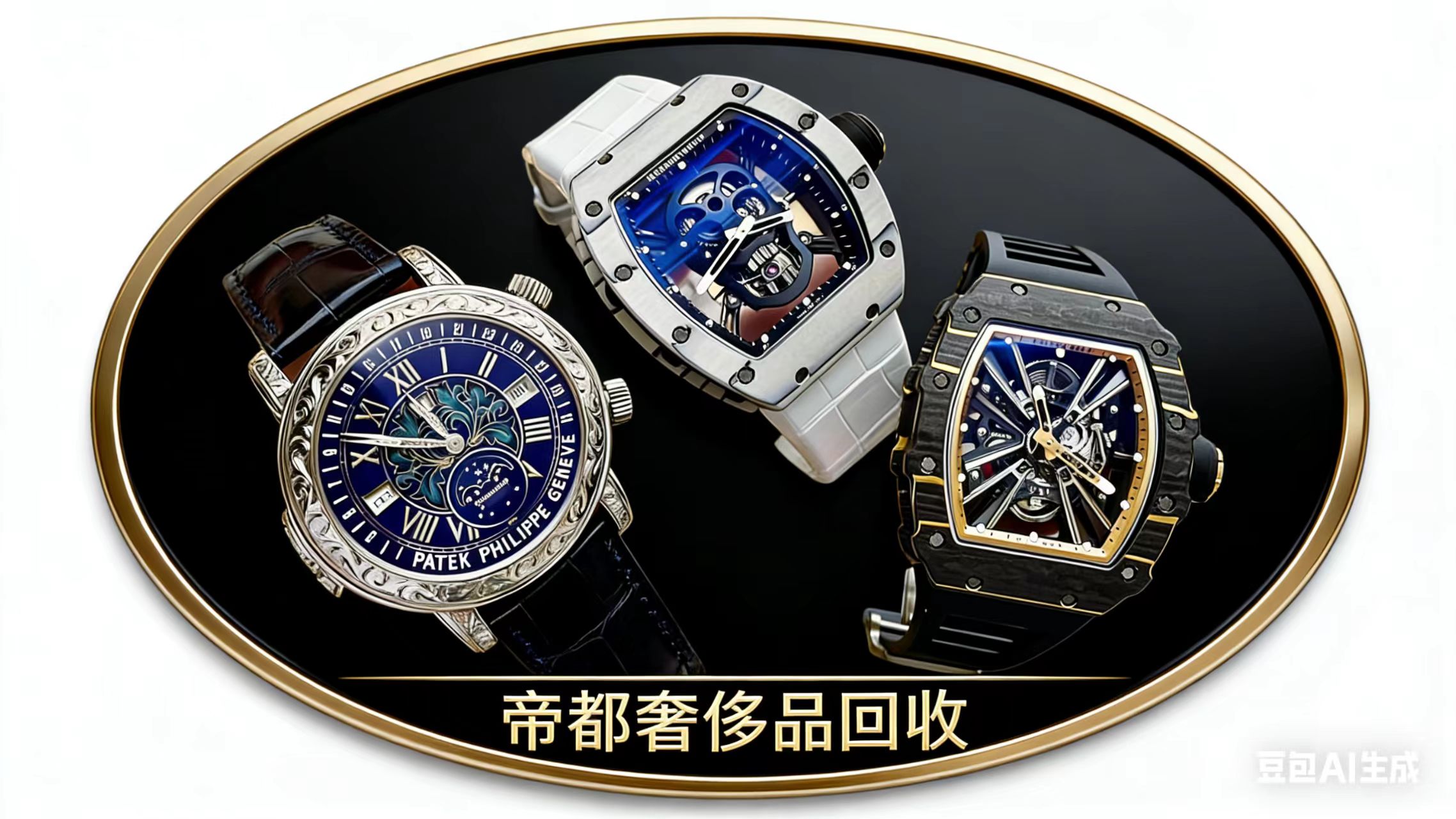
名表材质硬度测试 回收品质判断标准 | Watch Material Hardness Test Quality Judgment Standard for Recycling
名表材质硬度测试
名表,不仅是时间的记录者,更是工艺的象征。你知道吗?不同材质的硬度,直接影响着腕表的耐用性和保值性。对于奢侈品回收市场来讲,这一点尤为重要。
硬度测量的重要性
硬度测试不仅可以评估一个名表的质量,还能在某种程度上决定其二手市场的售价。比如说,瑞士制造的劳力士(Rolex)与意大利的宝珀(Blancpain),虽然都是顶级品牌,但因其材料不同,硬度也天差地别。
具体案例分析
以劳力士的蚝式表壳为例,其采用的是904L不锈钢。这种材料的硬度高达220 HV(维氏硬度),使得表壳极具抗磨损能力。而如果使用普通的不锈钢,其硬度可能只有160 HV。想一想,价格差距可不是小数目——这就是消费者在选择时所需考虑的因素。
硬度标准与回收判断
- 高于200 HV:适合长期投资,回收价值高。
- 150-200 HV:中等水平,流通性一般。
- 低于150 HV:不建议购买或回收,容易损坏。
名表鉴定的其他因素
除了硬度,名表的鉴定还涉及到诸多因素。例如,机芯的精密程度、表盘的材质等等。是否真的要依赖硬度呢?有时,情感因素也会影响选择。
帝都奢侈品回收的标准
在帝都奢侈品回收行业,专业的鉴定师会综合考虑各个方面。他们会利用硬度计对表壳进行检测,同时检查表带连接部分的磨损情况。完成这些步骤后,才会给出合理的回收价。
未来展望
随着科技的发展,名表的材质将越来越多样化。我们看到一些新兴品牌开始尝试采用陶瓷、钛金属等新材料,这些材料的硬度甚至超过了传统的贵金属。假如未来的名表普遍采用高硬度材料,那么对于回收市场又将产生怎样的冲击呢?
总结
总体来说,名表的材质硬度是一项不可忽视的评估指标。它不仅影响了名表的使用寿命,也直接关系到其在二手市场的回收价值。当你下次选择名表时,不妨把硬度这一因素纳入考量。
这样的信息,你觉得有帮助吗?
---Watch Material Hardness Test
Watches are not just timekeepers; they are symbols of craftsmanship. Did you know? The hardness of different materials directly affects a watch's durability and value retention. This is especially important in the luxury goods recycling market.
Importance of Hardness Measurement
Hardness testing can evaluate a watch's quality and, to some extent, determine its resale price in the second-hand market. For example, the Swiss-made Rolex versus the Italian Blancpain, both top brands but with vastly different materials and hardness levels.
Specific Case Analysis
Take the Rolex Oyster case as an example; it uses 904L stainless steel. This material has a hardness of 220 HV (Vickers hardness), making the case highly resistant to wear. In contrast, common stainless steel may only have a hardness of 160 HV. Think about it—there's a significant price gap, which consumers must consider when choosing.
Hardness Standards and Recycling Judgments
- Above 200 HV: Suitable for long-term investment, high resale value.
- 150-200 HV: Moderate level, average liquidity.
- Below 150 HV: Not recommended for purchase or recycling, prone to damage.
Other Factors in Watch Appraisal
Besides hardness, watch appraisal involves numerous factors such as movement precision and dial material. Do we really need to rely solely on hardness? Emotional factors can also impact choices.
Standards from DiTou Luxury Goods Recycling
In the DiTou luxury goods recycling industry, professional appraisers consider all aspects. They use hardness testers to analyze the case while also checking the wear at the strap connection. Only after completing these steps will they provide a reasonable recycling price.
Future Outlook
With technological advancements, watch materials will become increasingly diverse. We see emerging brands experimenting with ceramics, titanium, and other new materials that even exceed traditional precious metals in hardness. If high-hardness materials become commonplace in future watches, what impact will that have on the recycling market?
Conclusion
Overall, the hardness of watch materials is an indispensable assessment indicator. It not only affects the watch's lifespan but also directly relates to its resale value in the second-hand market. Next time you choose a watch, consider incorporating hardness into your evaluation.
Do you find this information helpful?