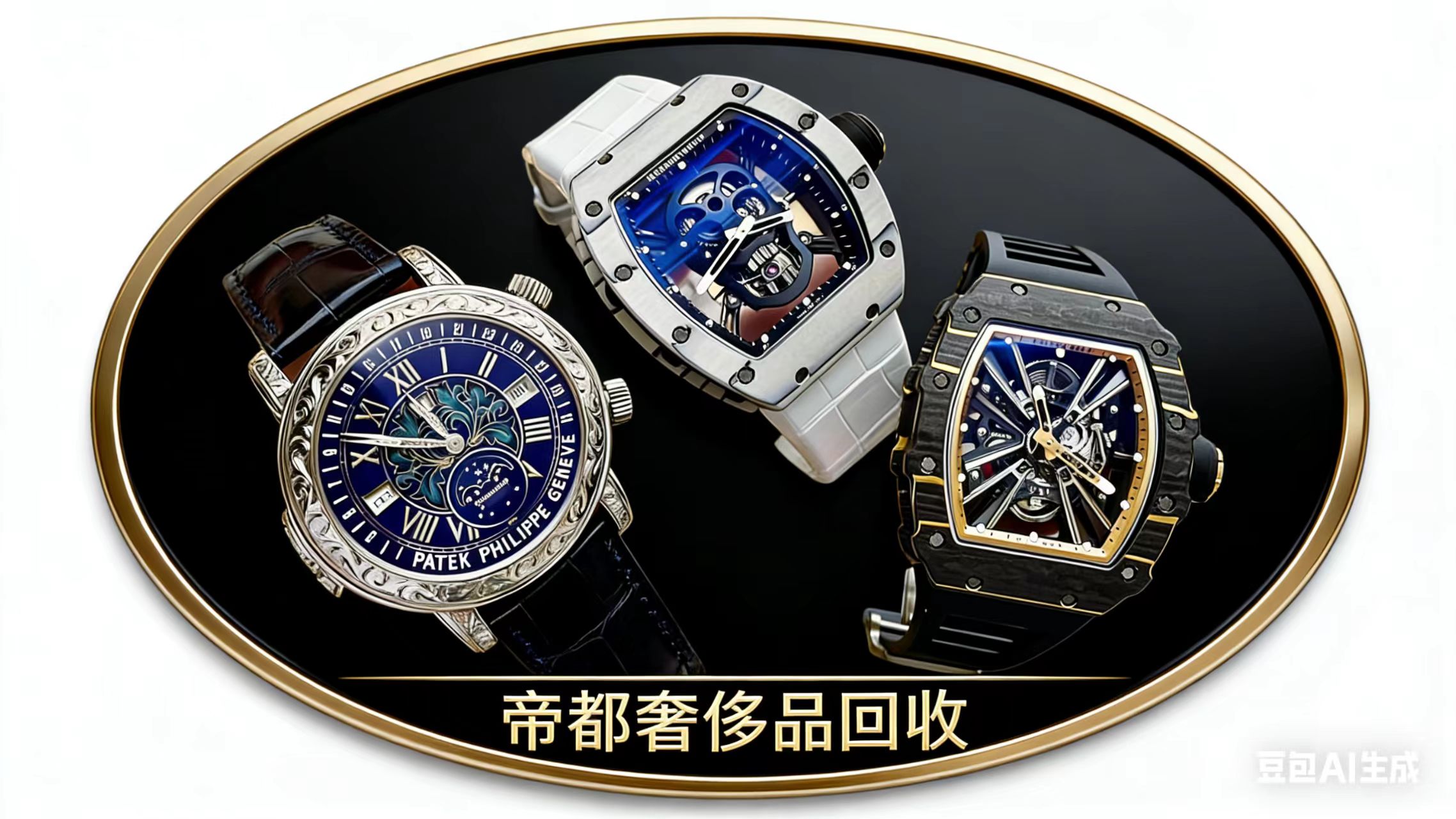
名表材质耐高温测试 回收耐用性评估 | Watch Material High-temperature Test Durability Evaluation for Recycling
名表材质的多样性与耐高温性能
在奢侈品行业,尤其是名表领域,材质的选择直接影响了手表的耐用性和使用体验。不同材料的物理特性决定了它们在高温环境下的表现,这对于进行名表回收至关重要。
常用名表材质及其高温属性
- 不锈钢: 不锈钢是一种广泛用于高档手表的材质,其耐热性能优良,能够承受较高的温度而不变形或损坏。
- 钛合金: 钛合金以其轻量和极强的抗腐蚀性著称,耐高温性能更是使得其在某些极端条件下成为理想选择。
- 陶瓷: 尽管陶瓷在高温下相对脆弱,但现代技术的发展使得某些高级陶瓷材料具备了良好的耐热性能,适合用于手表的表壳和表带。
- 贵金属: 黄金和铂金等贵金属同样具有不错的耐高温性能,且不会受到氧化的影响,长期佩戴依然光亮如新。
名表高温测试的重要性
通过模拟高温环境,可以评估名表的整体耐用性,尤其是在回收阶段。这一过程不仅能确定各个组件的可靠性,还能发掘出潜在的隐患。例如,某些材质在高温下可能会出现色彩褪色、结构松动等问题,从而影响到名表的二次销售价值。
耐用性评估方法
针对不同材质的名表,耐用性评估通常包括以下几个方面:
- 物理性能测试: 检测材质在高温下的硬度、韧性等指标,以确保即使在极端环境中也能保持稳定性。
- 视觉检查: 观察表面是否出现裂纹、划痕或其他损伤,以评估名表的外观完整性。
- 功能测试: 确认时针、分针和秒针在高温条件下的运转情况,避免高温导致机械故障。
名表回收中的耐用性考量
在名表回收市场,例如「帝都奢侈品回收」,耐用性的评估尤为重要。消费者在寻求置换或出售名表时,会考虑其材质的高温耐受能力。这不仅关系到手表的当前状态,还直接影响到未来的价值和使用寿命。
结论
综上所述,对名表材质进行高温测试与耐用性评估,不仅有助于提高回收效率,也为消费者提供了更多的信息。在不断变化的奢侈品市场中,了解这些细节将帮助买卖双方做出更明智的策。
High-Temperature Performance of Watch Materials
In the luxury goods industry, especially in the field of timepieces, the choice of materials directly affects the durability and user experience of watches. The physical properties of different materials determine their performance in high-temperature environments, which is crucial for watch recycling.
Common Watch Materials and Their High-Temperature Properties
- Stainless Steel: Stainless steel is a widely used material in high-end watches, known for its excellent heat resistance, able to withstand higher temperatures without deformation or damage.
- Titanium Alloy: Titanium alloys are renowned for their lightweight and exceptional corrosion resistance, making them ideal for certain extreme conditions due to their high-temperature tolerance.
- Ceramic: Although ceramics are relatively brittle at high temperatures, advancements in technology have enabled certain high-grade ceramic materials to possess good heat resistance, suitable for watch cases and straps.
- Precious Metals: Gold and platinum also exhibit good high-temperature performance and are unaffected by oxidation, maintaining their luster over time.
The Importance of High-Temperature Testing
Simulating high-temperature environments allows for the assessment of the overall durability of watches, particularly during the recycling phase. This process not only determines the reliability of each component but also uncovers potential vulnerabilities. For example, some materials may exhibit color fading or structural looseness under high temperatures, subsequently affecting the resale value of the watch.
Durability Evaluation Methods
The durability evaluation for different watch materials typically encompasses several aspects:
- Physical Performance Testing: Assessing indicators such as hardness and toughness of the material under high temperatures to ensure stability even in extreme conditions.
- Visual Inspection: Checking for cracks, scratches, or other damages on the surface to evaluate the aesthetic integrity of the watch.
- Functional Testing: Confirming the operation of the hour, minute, and second hands under high-temperature conditions to prevent mechanical failures.
Durability Considerations in Watch Recycling
In the watch recycling market, such as "DiDu Luxury Goods Recycling", evaluating durability is particularly significant. Consumers looking to exchange or sell watches will consider the material's resistance to high temperatures. This not only pertains to the current state of the watch but also directly influences its future value and lifespan.
Conclusion
In summary, conducting high-temperature tests and durability evaluations on watch materials not only enhances recycling efficiency but also provides consumers with more information. Understanding these nuances will enable both buyers and sellers to make more informed decisions in the ever-evolving luxury goods market.