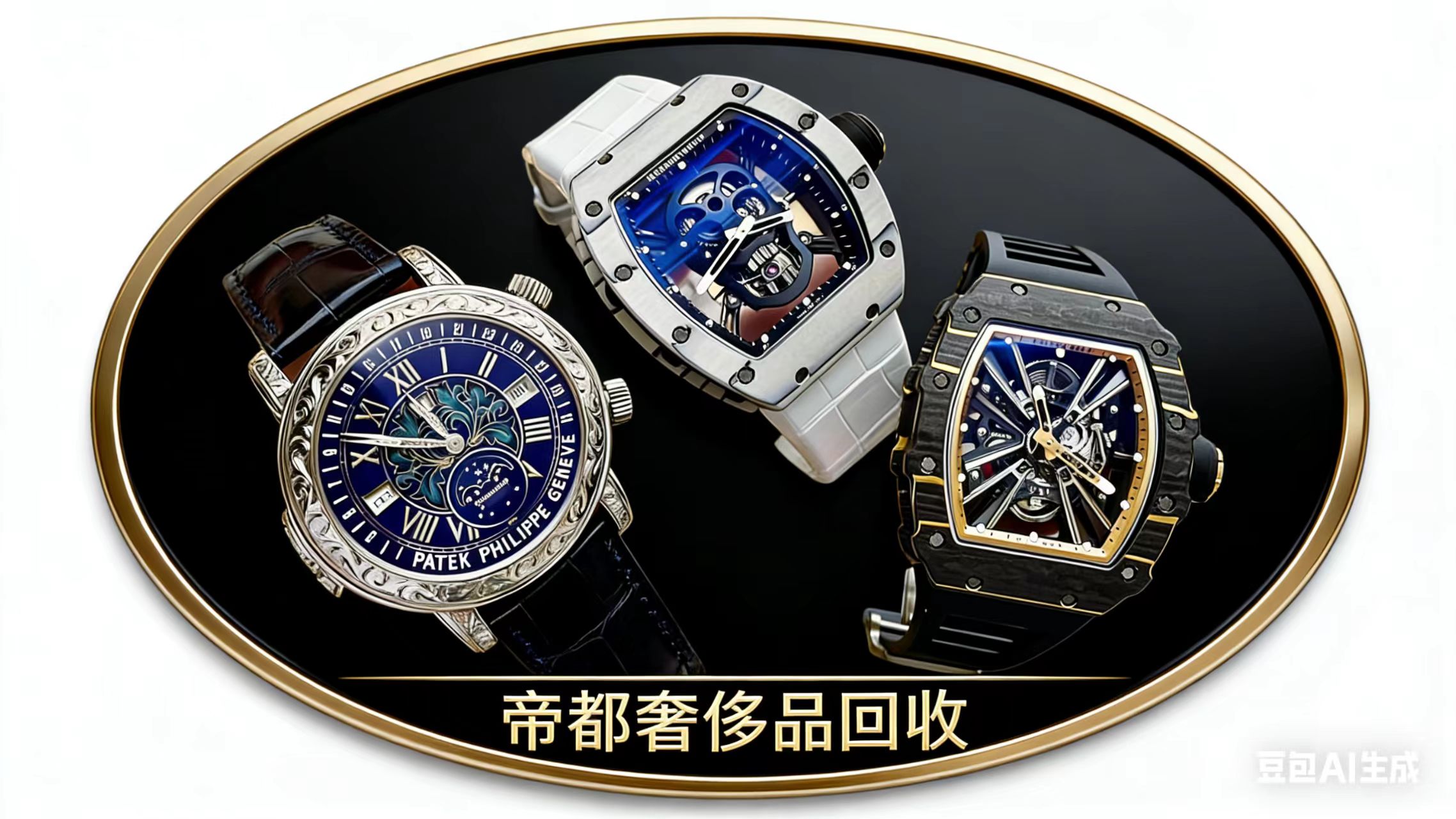
哪些手表二手没人要?回收商也不愿回收,Which second-hand watches are unwanted? Recyclers are also unwilling to recycle them?
二手手表市场概述
在奢侈品行业,手表作为一种重要的投资和消费品,二手手表市场逐渐成为了一个活跃的领域。然而,并不是所有的手表在二手市场上都受到欢迎,有些型号甚至连回收商都不愿意回收。
影响二手手表价值的因素
手表的价值受多种因素影响,包括品牌、稀缺性、市场需求以及手表的状况等。即使是知名品牌的某些型号,若具备以下特征,它们也可能在二手市场上遭遇冷遇。
品牌知名度不足
一些小众品牌或新兴品牌,在消费者心中并没有建立起足够的信任度和认知度。尽管其设计创新,但若无法获得市场认可,往往会导致二手交易困难。例如,一些初创品牌所推出的手表,因缺乏历史积累与品牌故事,难以吸引二手买家的目光。
款式过时
流行趋势变化迅速,某些手表款式可能在推出后不久便被时代所淘汰。例如,某些复古风格的手表虽然在一段时间内受欢迎,但随着潮流的演变,这些款式可能因为过于老旧而成为二手市场的“冷门”。
技术问题
手表的机械性能是决定其二手价值的重要因素。若手表存在技术故障,如走时不准、机芯损坏等,即便外观完好,也很难吸引潜在买家。因此,回收商在面对这样的二手手表时,往往会谨慎选择,不愿承担修理成本。
供应过剩
市场上某些型号出现供应量过剩的现象,会导致价格大幅下滑。这种情况常见于一些热门系列,当初购买时价格高昂,但随着市场饱和,二手转售的价值却大打折扣。对此,回收商自然也会保持距离。
哪些手表具体不受欢迎?
- 普通品牌的时尚手表:如某些快消品牌的时尚表,尽管在年轻人中有一定的市场,但在二手回收环节几乎无人问津。
- 功能手表:例如某些低端智能手表,其更新换代速度快,使得旧款几乎没有回收价值。
- 过于个性化的定制表:由于太过私人化,难以找到合适的买家。
总结
二手手表市场复杂且细分,了解市场规律对于买卖双方都有帮助。通常情况下,帝都奢侈品回收机构在评估一款手表的回收价值时,会考虑上述各项因素。只有那些品牌知名度高、设计经典、状态良好的手表才能在二手市场中立于不败之地。
Overview of the Second-Hand Watch Market
In the luxury goods industry, watches serve as an important investment and consumer product, and the second-hand watch market has gradually become a vibrant field. However, not all watches are welcome in the second-hand market; some models are even unwanted by recyclers.
Factors Affecting Second-Hand Watch Value
The value of a watch is influenced by various factors, including brand, scarcity, market demand, and condition. Even for certain models from well-known brands, they may encounter difficulties in the second-hand market if they possess the following characteristics.
Lack of Brand Recognition
Some niche or emerging brands have not built sufficient trust and recognition in consumers' minds. Despite innovative designs, if they fail to gain market acceptance, they often lead to challenges in second-hand transactions. For instance, some watches launched by start-ups, due to a lack of historical accumulation and brand stories, struggle to attract potential second-hand buyers.
Outdated Styles
Fashion trends change rapidly, and certain watch styles may become obsolete shortly after their launch. For example, some vintage-style watches might be popular for a while, but as trends evolve, these styles can become “niche” in the second-hand market due to being too outdated.
Technical Issues
The mechanical performance of the watch is a key factor determining its second-hand value. If a watch has technical problems, such as inaccurate timekeeping or movement damage, it becomes difficult to attract potential buyers, even if the appearance is intact. As a result, recyclers tend to be cautious when faced with such used watches, often unwilling to bear repair costs.
Oversupply
Some models exhibiting oversupply in the market lead to significant price drops. This situation commonly occurs with certain popular series that initially sold at high prices, but as the market saturates, the resale value in the second-hand market declines significantly. Consequently, recyclers naturally maintain their distance.
Which Watches Are Specifically Unwanted?
- Regular Fashion Watches: For instance, certain fast-fashion brand watches may have a market among young people but are nearly unsellable in the second-hand recycling segment.
- Functional Watches: For example, low-end smartwatches whose rapid upgrade cycles render previous models almost worthless for recycling.
- Overly Personalized Custom Watches: Due to their excessive personal nature, finding suitable buyers becomes difficult.
Conclusion
The second-hand watch market is complex and segmented, and understanding market rules can benefit both buyers and sellers. Typically, recycling institutions like 帝都奢侈品回收 consider various factors when evaluating the resale value of a watch. Only those watches with high brand recognition, classic designs, and good conditions can remain unbeaten in the second-hand market.