回收商不待见的手表类型:流通性差的款式,Types of watches recyclers don’t favor: Styles with poor liquidity?
流通性差的款式
在手表回收行业,流通性是个敏感话题。为什么?因为流通性直接影响到商家的收益以及消费者的选择。有些款式,尽管品牌光鲜亮丽,却因其稀缺性或设计独特而不受欢迎。
哪些手表不受青睐
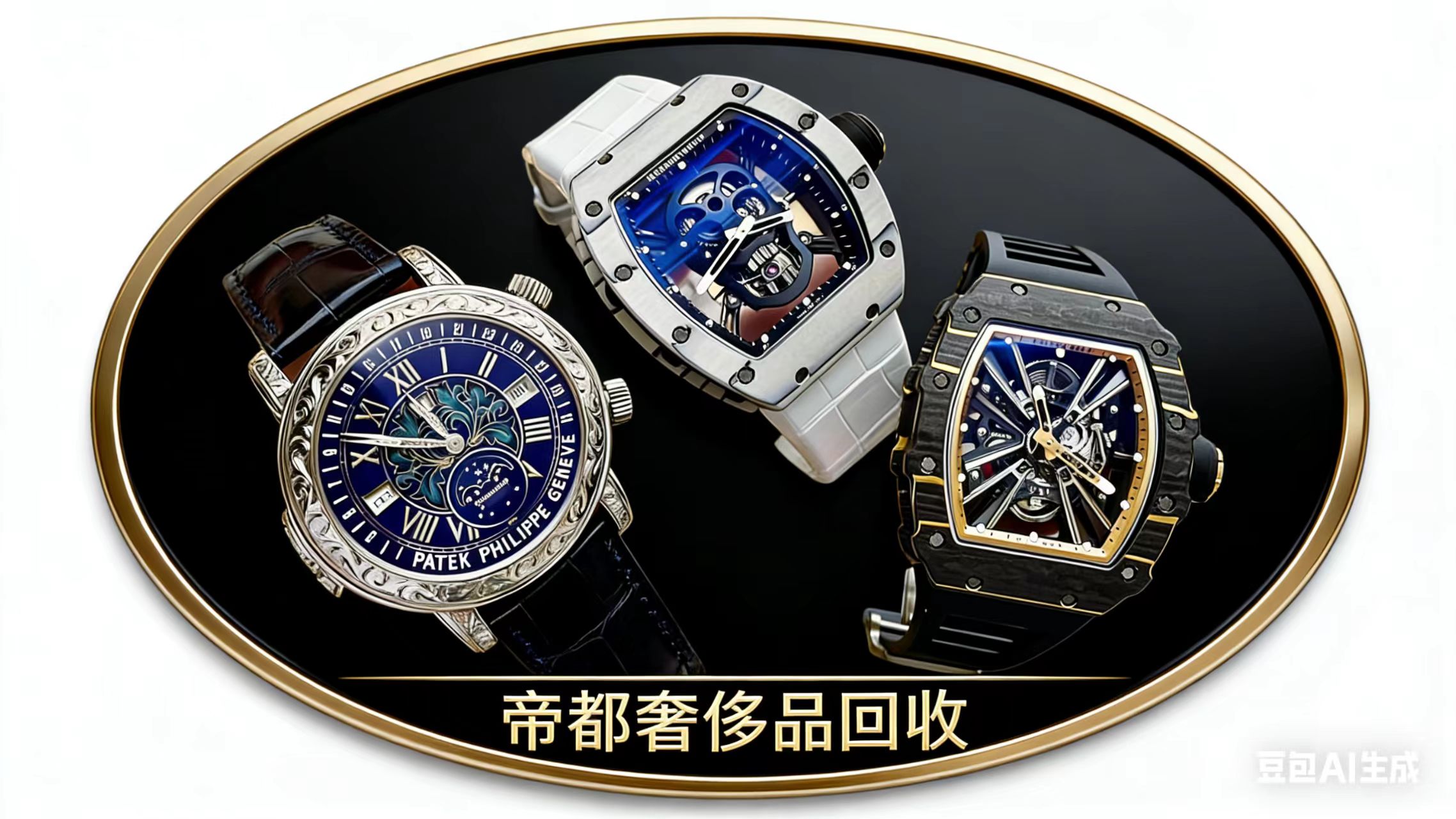
- 奇特设计:比如某些极具艺术风格的手表,像是某品牌与知名艺术家联名的限量版,虽说收藏价值高,但市场需求却相对低迷。
- 功能过于专业:例如,深潜或飞行专用的手表,虽然技术含量高,可大多数消费者并不需要这些复杂的功能,导致流通性不足。
- 独特材质:使用非传统金属材料(如钛合金或陶瓷)的手表,往往让普通消费者望而却步。
案例分析
想象一下,一块售价高达十万元的名表,采用了炫目的彩色水晶表盘。这种手表可能会吸引一些追求个性的消费者,但对于那些更倾向于经典款式的人来说,这样的设计显得过于浮夸。在二级市场上,它的流通性会相当差。数据表明,这类手表的转售率仅为20%。
流通性的影响
流通性差的手表,往往意味着回收商不会优先考虑。以帝都奢侈品回收为例,他们在评估手表时,流通性是首要考虑因素之一。一个月内,存货周转率低于30%的手表,几乎没机会被回收。难道这不是一种讽刺吗?
手表回收的挑战
面对困难,回收商们开始调整策略。对流通性差的手表,他们采取了更谨慎的态度。一方面,鉴定师需要投入更多时间来了解这些“边缘”手表的市场情况;另一方面,他们也可能会降低报价,以抵消潜在风险。这样一来,手表的置换与回收实际上变得愈发复杂。
总结思考
购买手表时,流通性是你必须考虑的重要因素。选择那些拥有良好市场认可度的款式,才能确保在未来的回收中获得合理的价值。随着时间的推移,手表的价值将不断变动,流通性差的款式只会让你的投资变得更加艰难。
Watches with Poor Liquidity
In the watch recycling industry, liquidity is a sensitive topic. Why? Because liquidity directly affects the profits of businesses and the choices of consumers. Some styles, despite their glamorous brands, are unpopular due to their scarcity or unique design.
Which Watches Are Not Favored
- Unusual Designs: For instance, certain artist collaboration limited editions may boast high collectible value, but market demand tends to be sluggish.
- Overly Specialized Functions: Watches designed for deep-sea diving or aviation, while technically advanced, often do not meet the needs of average consumers, resulting in poor liquidity.
- Unique Materials: Watches made from non-traditional materials (like titanium or ceramic) can intimidate the average buyer.
Case Analysis
Imagine a watch priced at 100,000 yuan, featuring a dazzling colored crystal dial. This watch might attract those seeking individuality, yet for consumers who prefer classic styles, such designs seem overly extravagant. In the secondary market, its liquidity would be quite low. Reports indicate that resale rates for such watches are only 20%.
The Impact of Liquidity
Poor liquidity watches often mean that recyclers will not prioritize them. Take the example of 帝都奢侈品回收; when they evaluate watches, liquidity is a primary consideration. Watches with turnover rates below 30% within a month rarely get recycled. Isn’t this ironic?
Challenges in Watch Recycling
Faced with these difficulties, recyclers have begun adjusting their strategies. For watches with poor liquidity, a more cautious approach is taken. On one hand, appraisers need to invest more time understanding the market situation of these “marginal” watches; on the other hand, they may lower their offers to offset potential risks. Consequently, the processes of swapping and recycling watches become increasingly complex.
Final Thoughts
When purchasing a watch, liquidity is an essential factor to consider. Choosing styles with solid market recognition ensures that you can achieve reasonable returns in future recycling. As time passes, the value of watches will constantly fluctuate; styles with poor liquidity only complicate your investment.