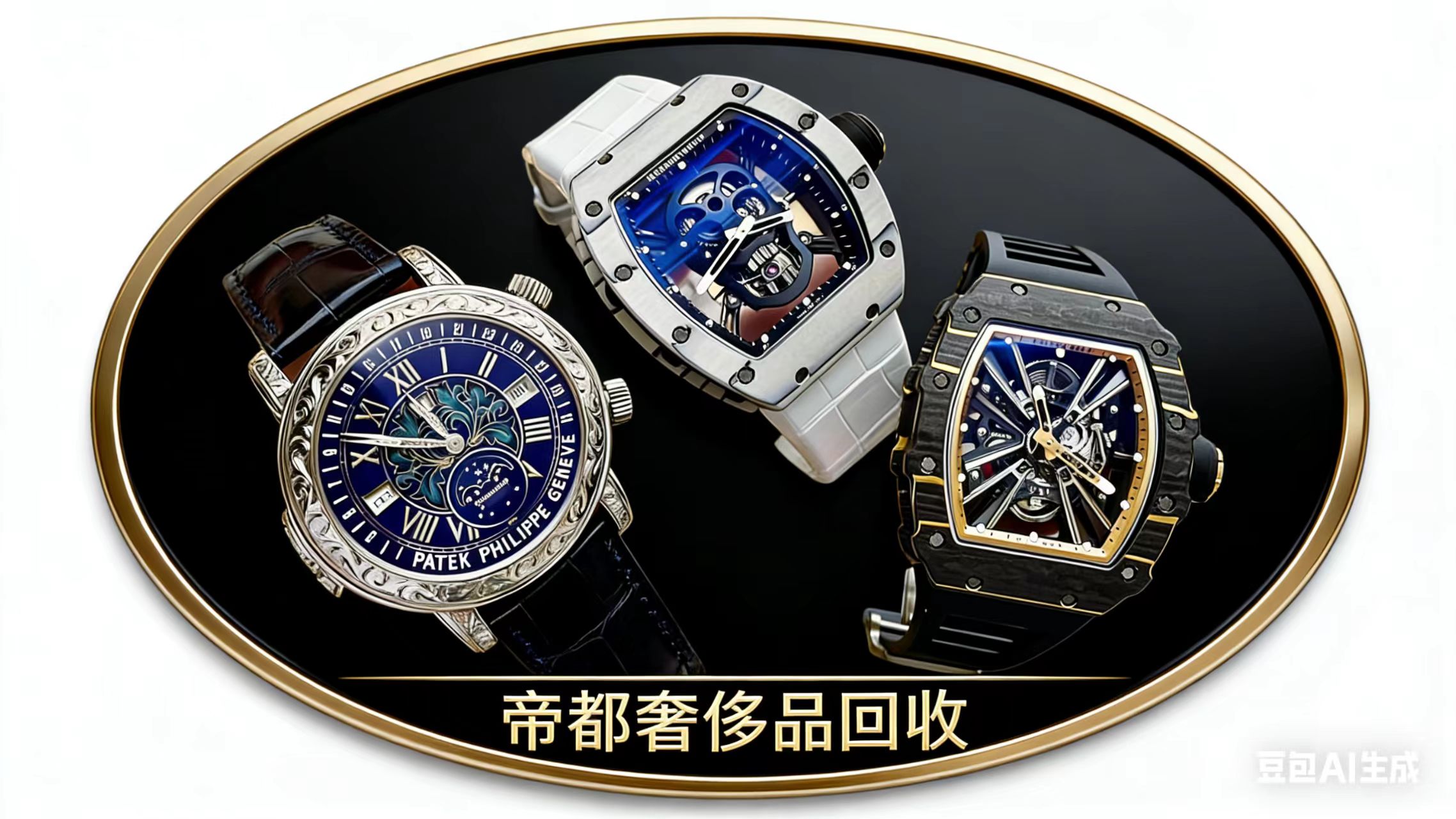
回收商不愿碰的手表:流通性差的款式,Watches recyclers are unwilling to touch: Styles with poor liquidity?
流通性差的手表特点
在奢侈品市场中,手表不仅仅是时间的记录者,更是身份与财富的象征。然而,并非所有款式都能在二级市场上获得成功,某些手表因其流通性差而使得回收商望而却步。
品牌影响力不足
首先,品牌的知名度对手表的流通性有着直接的影响。举例来说,一些小众或新兴品牌可能在设计上具有独特性,但缺乏市场认可度,使得消费者在转售时面临困难。这类手表即便在品质上表现不俗,往往也难以引起回收商的兴趣。
设计与功能的局限性
设计风格与功能多样化程度同样是影响手表流通性的关键因素。有些手表可能采用极为独特或前卫的设计,尽管在特定人群中受到追捧,但对于主流消费者而言则显得过于小众,导致需求不足。此外,某些功能复杂、使用频率低的手表也常常成为回收商的“禁区”。
制造数量有限
手表的生产数量亦会影响其流通性。例如,限量版手表虽然在发布初期可能受到热烈追捧,但一旦市场饱和,流通性便会随之下降。对于许多回收商而言,他们更倾向于选择那些在市场上拥有稳定需求与供应的款式,以确保投资的安全性。
手表的保养状况
手表的维护情况直接关系到其价值。在一些情况下,因缺乏良好的保养而导致磨损、划痕等问题的手表,回收商通常会避而远之。这不仅会影响手表的整体价值,还可能让潜在买家产生疑虑。
市场趋势的变化
流行趋势的快速变化也是一个不容忽视的因素。某些手表在推出时备受关注,但随着时间推移,其市场热度骤降。在这种情况下,回收商往往不愿意接触这些款式,因为它们的流动性将进一步降低。
结语
综合来看,流通性差的手表不仅受到品牌、设计、数量限制等多方面因素的影响,还与市场动态密切相关。因此,对于那些寻找名表回收、名表鉴定或者名表置换的消费者而言,了解这些款式的局限性,无疑是做出明智决策的重要一步。
Characteristics of Watches with Poor Liquidity
In the luxury goods market, watches are not merely timekeepers; they symbolize identity and wealth. However, not all styles can achieve success in the secondary market, as certain watches deter recyclers due to their poor liquidity.
Insufficient Brand Influence
Firstly, brand recognition has a direct impact on the liquidity of watches. For instance, some niche or emerging brands may boast unique designs but lack market acceptance, making it difficult for consumers to resell. Even if these watches perform well in terms of quality, they often fail to attract the interest of recyclers.
Limitations in Design and Functionality
The diversity of design style and functionality is also a key factor affecting watch liquidity. Some watches may adopt exceedingly unique or avant-garde designs that, while popular among specific groups, appear too niche for mainstream consumers, leading to insufficient demand. Additionally, watches with complex functions that are rarely used frequently become a “no-go zone” for many recyclers.
Limited Production Quantities
The number of watches produced can influence their liquidity. For example, limited edition watches may initially garner enthusiastic responses upon release, but once the market becomes saturated, liquidity tends to decrease. Many recyclers prefer models that maintain stable demand and supply in the marketplace to ensure investment security.
Condition of the Watch
The maintenance status of a watch directly affects its value. In some cases, watches that suffer from wear, scratches, and other issues due to poor upkeep often see recyclers steering clear. Not only does this affect the overall value of the watch, but it may also raise concerns for potential buyers.
Market Trend Changes
The rapid changes in fashion trends are another factor that cannot be overlooked. Some watches may have captured great attention at launch, but as time goes by, their market appeal declines sharply. In such scenarios, recyclers are usually reluctant to engage with these styles, as their liquidity may further diminish.
Conclusion
All things considered, poor liquidity in watches is influenced by various factors including brand, design, quantity restrictions, and market dynamics. Therefore, for consumers seeking watch recycling, authentication, or replacement, understanding these limitations undoubtedly represents an essential step towards making informed decisions.