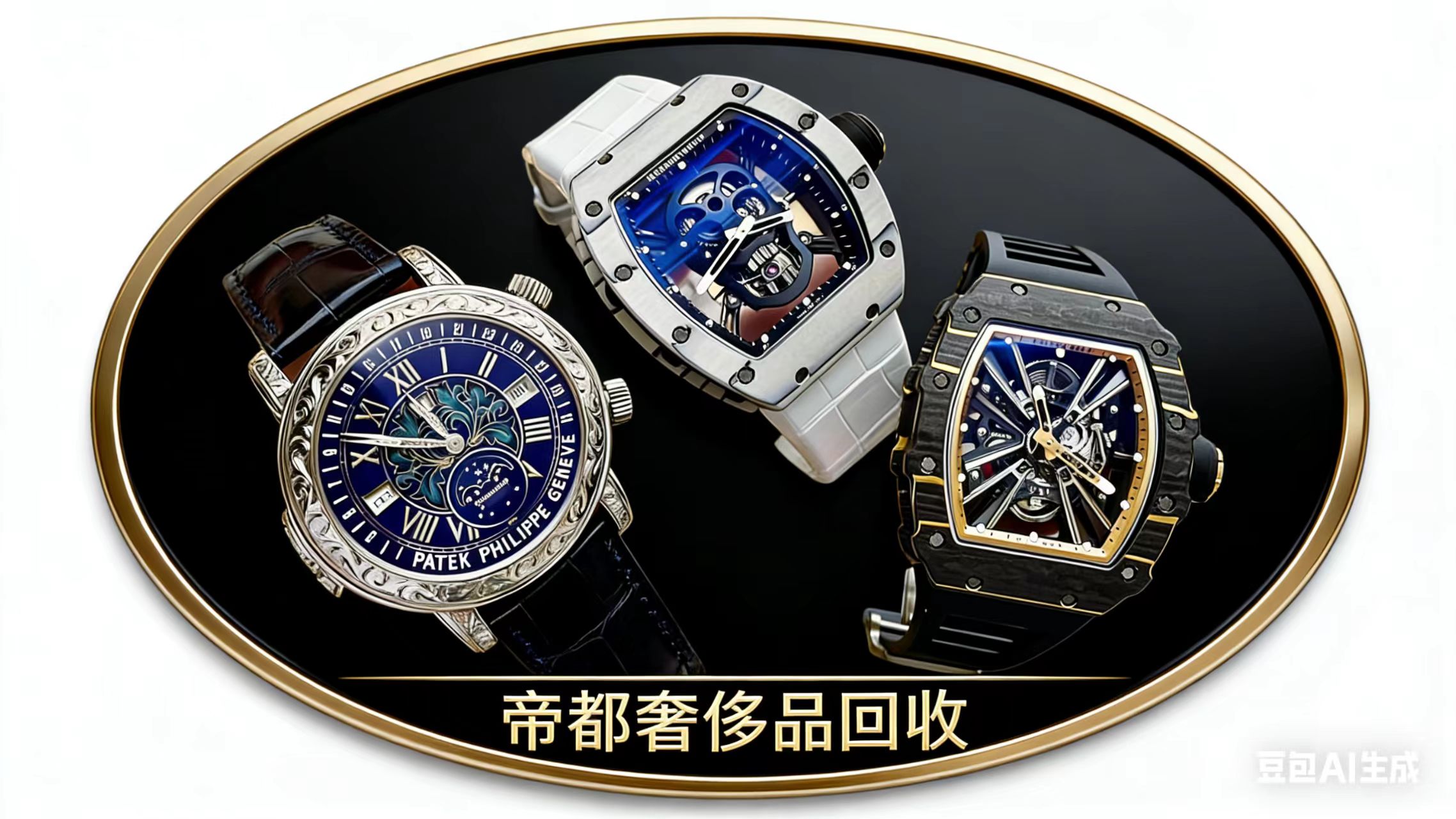
影响旧腕表回收价值的核心因素有哪些?,What are the core factors that affect the recycling value of used watches?
影响旧腕表回收价值的核心因素
说到旧腕表回收,大家最关心的无非是它的价值。其实,影响这个价值的因素有很多,甚至可以从不同的角度来分析。令人惊讶的是,有时候一枚小小的划痕就能导致整个市场的波动。
品牌影响力
品牌的重要性不言而喻。例如,劳力士(Rolex)和百达翡丽(Patek Philippe)这样的高端奢侈品牌,其回收价值通常远超普通品牌。这是因为这类品牌不仅在市场上拥有强大的认知度,还具备较高的保值性。
- 高端品牌:劳力士、百达翡丽、爱彼。
- 中端品牌:TAG Heuer、欧米茄(Omega)。
- 低端品牌:天梭(Tissot)、卡西欧(Casio)。
状态和年龄
腕表的物理状态同样至关重要。一块几乎全新的名表,配备原厂盒子和证书,其回收价值自然更高。然而,时间的流逝往往会使得即便是顶级品牌的腕表也受到影响。你有没有想过,一只表带上的污渍竟然会降低整块表的价值?
一般来说,腕表的年龄越小,回收价值也越高。例如,某款新上市的欧米茄腕表,其二手回收价可能高达原价的70%-80%。而一只使用超过十年的老款表,回收价却可能仅为原价的20%-30%。
市场需求
市场的需求量也是一大核心因素。对于某些热门款式,买家趋之若鹜,价格自然水涨船高。比如,万国(IWC)的一款限量版腕表,曾因市场追捧而价格翻倍,这种现象在钟表圈屡见不鲜。
相反,如果一款腕表在市场上供大于求,即便是名牌,其回收价值也会遭遇“滑铁卢”。例如,某款普及型豪雅(TAG Heuer)因设计落后,变得无人问津,从而其二手价格跌至谷底。
维修记录
腕表的维修历史同样对其回收价值有着显著影响。若一只表历经多次修复,尤其是非官方维修,它的价值难免打折。相对而言,那些保持良好、未被改动的腕表总会更受青睐。
在帝都奢侈品回收行业,专业鉴定师可以通过细致入微的检查,判断出手表的真实价值,这无疑是保障买卖双方利益的重要环节。
配件完整性
最后,腕表的附属配件是否齐全,如原装盒子、说明书、保修卡等,都会直接影响其回收价值。缺少这些配件,就如同一辆车没了钥匙,价值立刻下降不少。数据调查显示,完整配件的腕表,回收价值可提升15%以上。
总结:多重因素交织
实际上,影响旧腕表回收价值的因素并不是孤立存在的,而是多重因素交织的结果。在某种程度上,我们甚至可以说,腕表的价值就像一场复杂的博弈,每一次交易都有其独特的背景与故事。看似微不足道的细节,恰恰是决定最终回收价格的重要因素。
Core Factors Affecting the Recycling Value of Used Watches
When it comes to used watch recycling, people are mainly concerned about its value. In fact, there are many factors that affect this value, and they can even be analyzed from different perspectives. Surprisingly, sometimes a small scratch can cause a ripple effect in the entire market.
Brand Influence
The importance of the brand is self-evident. For example, high-end luxury brands like Rolex and Patek Philippe typically have recycling values that far exceed those of ordinary brands. This is because these brands not only have strong recognition in the market but also possess high retention rates.
- High-end Brands: Rolex, Patek Philippe, Audemars Piguet.
- Mid-range Brands: TAG Heuer, Omega.
- Low-end Brands: Tissot, Casio.
Condition and Age
The physical condition of the watch is equally crucial. A nearly new luxury watch, complete with its original box and certificate, naturally has a higher recycling value. However, the passage of time often affects even top brands. Have you ever thought that a stain on the strap could diminish the value of the entire watch?
Generally, the younger the watch, the higher its recycling value. For instance, a newly released Omega watch could fetch up to 70%-80% of its original price in the second-hand market. Conversely, an older model that has seen over a decade of use might only be worth 20%-30% of its initial cost.
Market Demand
The demand in the market is another core factor. For certain popular models, buyers flock to them, driving prices sky-high. For example, a limited edition IWC watch saw its price double due to market demand, a phenomenon that's commonly seen in the watch industry.
On the contrary, if a watch is oversupplied in the market, even branded ones may face a "waterloo" in their recycling value. For example, a widely available TAG Heuer model became obsolete due to outdated design and thus plummeted in second-hand pricing.
Repair Records
The repair history of the watch significantly impacts its recycling value. If a watch has undergone multiple repairs, especially non-official ones, its value inevitably diminishes. In contrast, watches that remain intact and unchanged tend to be more favored.
In the luxury goods recycling industry, professional appraisers can assess the true value of a watch through meticulous examinations, which undoubtedly protects the interests of both buyers and sellers.
Completeness of Accessories
Finally, whether the accompanying accessories of the watch, such as the original box, instructions, and warranty card, are complete will directly affect its recycling value. Missing these accessories is like a car missing its keys—it drastically decreases the value. Data surveys indicate that watches with complete accessories can see an increase in recycling value of over 15%.
Conclusion: Interwoven Factors
In reality, the factors affecting the recycling value of used watches are not isolated; they are the result of interwoven elements. To some extent, we could even say that the value of a watch is like a complex game of strategy, where every transaction carries its unique background and story. What seems trivial in detail is precisely what determines the final recycling price.