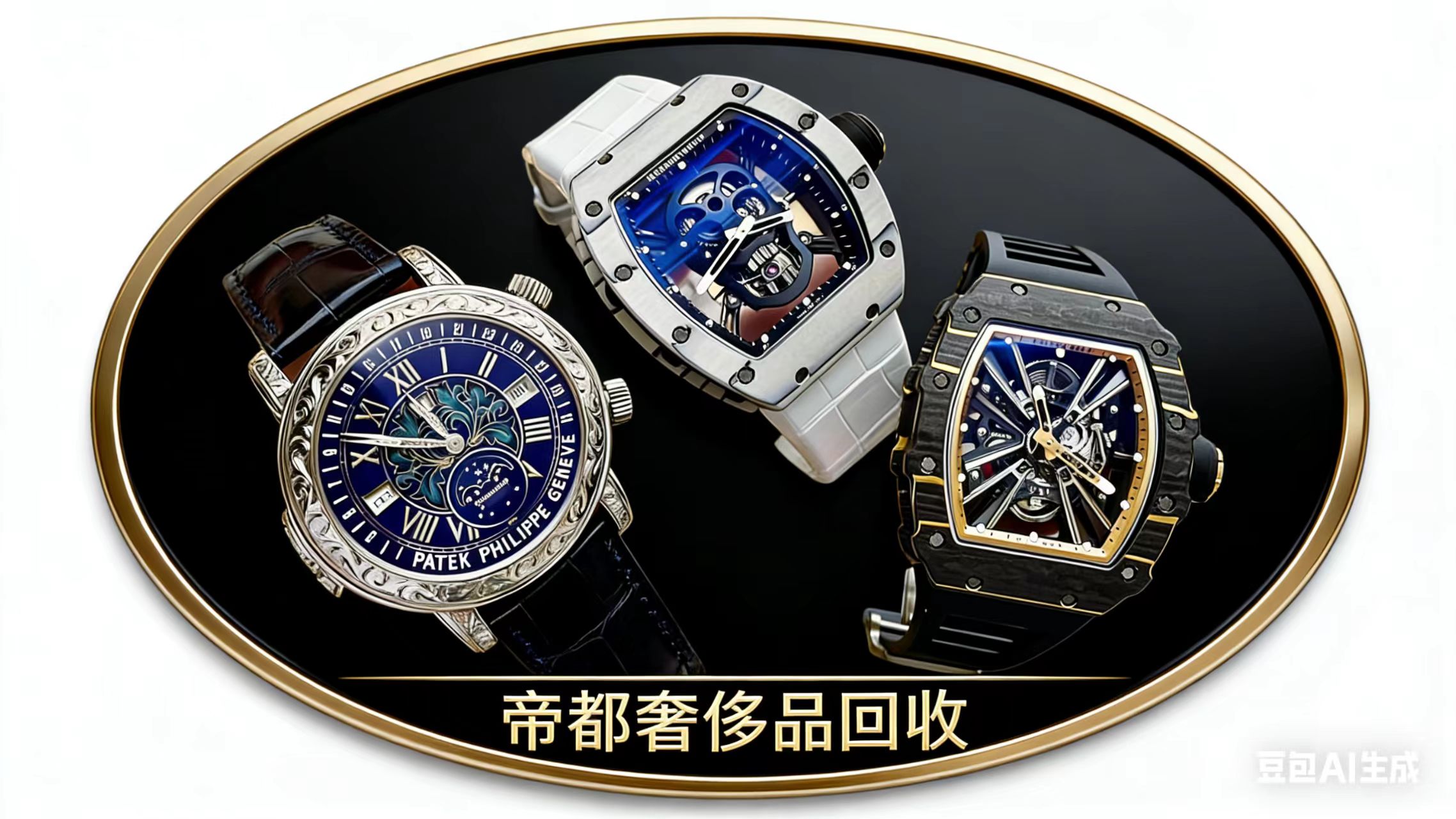
手动上链vs自动机芯 名表回收侧重点 | Manual vs Automatic Movement Watch Recycling Focus Points
手动上链与自动机芯的比较
手表,究竟是什么?是计时工具,更是身份象征。特别是在名表回收的行业中,手动上链与自动机芯之间的差异显得尤为重要。
手动上链的魅力
手动上链,简洁而经典。每次转动表冠,都是一种仪式感。这种机械美学,吸引了无数钟表爱好者。比如,百达翡丽的5167A,这款表以其复杂的机芯设计和炫目的外观深受青睐。有人会问:这种传统方式,真的有市场吗?
- 准确性:手动上链的手表在维护良好的情况下,可以保持极高的准确性。
- 耐用性:少量活动部件意味着更少的磨损,持久使用。
- 参与感:需要定期上链,让用户感受到与手表之间的连接。
自动机芯的优势
自动机芯则相对方便。日常佩戴中,手腕的轻微运动就能为其充能。劳力士的潜航者系列便是代表之一。它不只是技术的展示,更是工艺的结晶。然而,正如一位业内人士所说:“这真的可以算艺术吗?”
- 便利性:绝大多数人喜欢不用每天上链的便利。
- 精确度:现代自动机芯在精准度上越来越超越手动上链,其稳定性让更多消费者青睐。
- 多样性:许多品牌推出各自特色的自动机芯,使消费者选择丰富。
名表回收中的焦点
在名表回收过程中,手动上链与自动机芯的关注点也有所不同。从价值保留角度来看,手动上链的表通常具有更强的收藏价值。例如,某个二手市场数据显示,手动上链表的保值率达到90%以上,而自动机芯则只有70%左右。
鉴定与置换的细节
进行名表鉴定时,专家常常会关注到以下因素:
- 机芯类型:手动上链因其稀缺性更受青睐。
- 外观及工艺:完美的表盘和表壳能够提升整体价值。
- 历史与故事:背后的故事会使手表更具收藏意义。
结论或个人看法
名表的回收并不仅仅是物质的交易,更是文化的传承。手动上链与自动机芯各有千秋,我们不能简单地给出一个答案。更有趣的是,在不同的场合,不同的人可能对此有截然不同的看法。有人认为,自动机芯的便利性不可或缺;而另一部分人则坚持手动上链的独特魅力,甚至是情感归属。至于帝都奢侈品回收,是否能找到平衡,值得深入探讨。
总之,手表作为一种艺术品,不能仅凭功能去衡量。在名表回收的过程中,不妨考虑到每个细节,这些往往能决定你心仪那块表的真实价值。
Manual vs Automatic Movement: A Comparative Analysis
A watch—what is it really? A timekeeping device, but also a status symbol. Particularly in the watch recycling industry, the differences between manual and automatic movements become crucial.
The Charm of Manual Wind
Manual winding is simple yet classic. Every turn of the crown feels like a ceremony. This mechanical aesthetics attracts countless watch enthusiasts. Take the Patek Philippe 5167A as an example; its complex movement design and dazzling look have garnered immense popularity. One might ask: does this traditional method really have a market?
- Accuracy: Manual watches can maintain high accuracy if well-maintained.
- Durability: Fewer moving parts mean less wear and tear for long-lasting use.
- Connection: The need for regular winding creates a tangible connection with the wearer.
The Advantages of Automatic Movement
On the other hand, automatic movements offer convenience. With daily wear, even slight wrist movement can power it up. Rolex's Submariner series exemplifies this. It's not just a display of technology, but a culmination of craftsmanship. However, as an industry insider once said, "Can this be considered art?"
- Convenience: Most people prefer the ease of not having to wind their watches daily.
- Precision: Modern automatic movements increasingly surpass manual ones in accuracy and stability, making them more appealing to consumers.
- Diversity: Many brands offer unique features in their automatic movements, providing consumers with plenty of choices.
Focus Points in Watch Recycling
In the context of watch recycling, the focus points for manual and automatic movements differ significantly. From a value retention perspective, manual-wind watches often hold stronger collectible value. For instance, data from a secondary market indicates that the retention rate for manual timepieces reaches over 90%, while automatic movements only stand at around 70%.
Details in Appraisal and Exchange
During watch appraisals, experts typically focus on the following factors:
- Movement Type: Manual-wind watches are favored due to their rarity.
- Aesthetics and Craftsmanship: Impeccable dials and cases can enhance overall value.
- History and Story: The narratives behind each watch add significant collectible meaning.
Personal Insights or Conclusion
Watch recycling is not merely a material transaction; it's a cultural inheritance. Both manual and automatic movements have their strengths, and we cannot simply provide one answer. Interestingly, in different scenarios, different individuals may have starkly contrasting views. Some believe in the irreplaceable convenience of automatic movements, while others remain loyal to the unique charm of manual winding, even regarding emotional attachment. As for the Beijing luxury goods recycling scene, finding a balance is worth exploring.
Ultimately, a watch as an artwork should not be judged solely by its functionality. When engaging in watch recycling, considering every detail can often determine the true value of your coveted piece.