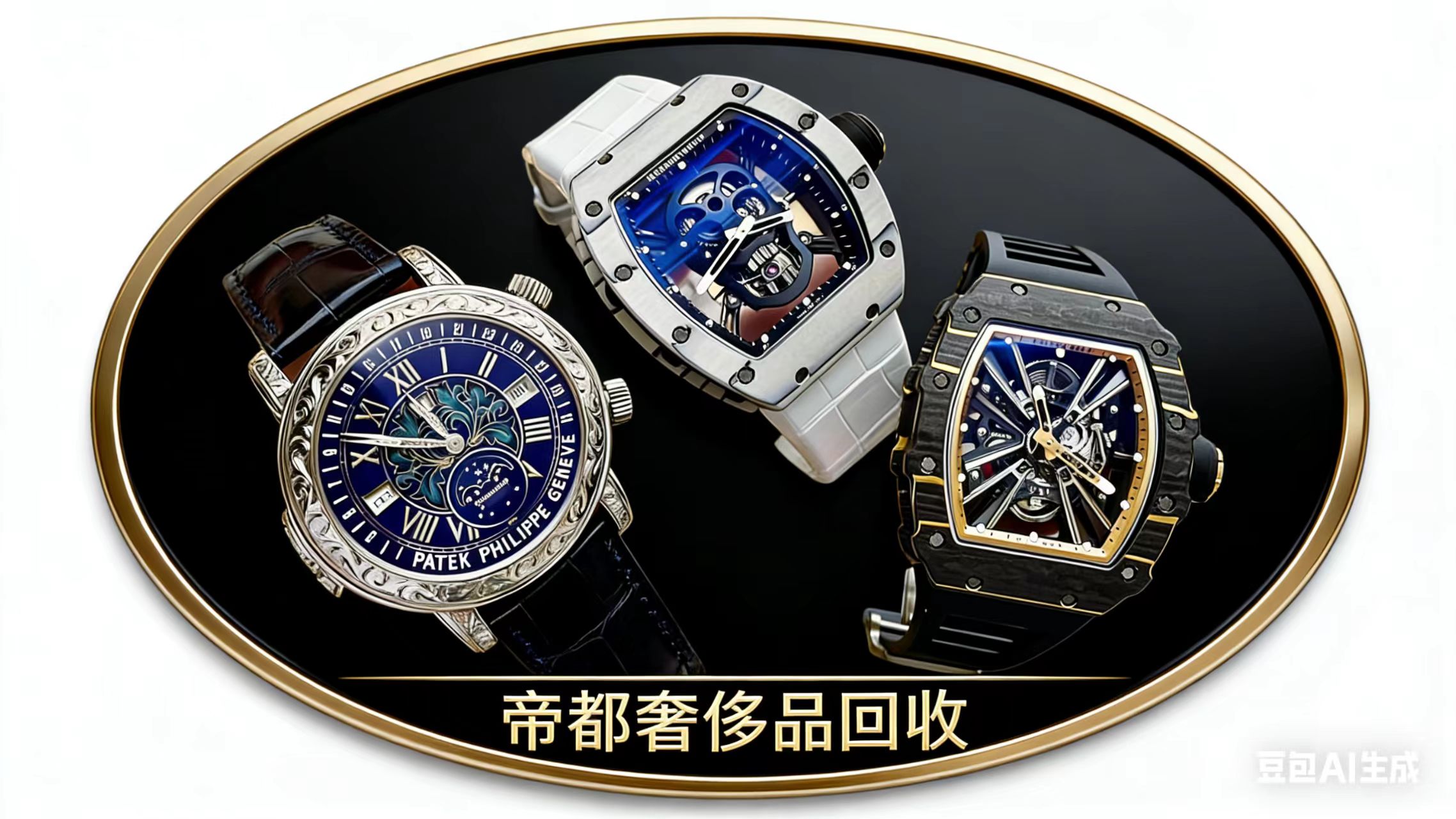
旧手表回收验真时回收商会查看哪些部件?,Which parts do recyclers check during used watch recycling authentication?,
旧手表回收的背景
随着奢侈品市场的蓬勃发展,旧手表的回收与鉴定逐渐成为消费者关注的焦点。尤其是在一些专业的回收商如帝都奢侈品回收的引领下,这一领域的发展愈加成熟。
手表回收过程中的主要部件
在进行旧手表的回收验真时,回收商会仔细检查多个关键部件,以确保手表的真实性和价值。例如:
- 表壳:通常是最先被检查的部分,回收商会关注其材质、刻印以及磨损情况。
- 表盘:表盘的完整性与字体清晰度都是评估的一部分,尤其是品牌标识是否正确。
- 机芯:作为手表心脏的机芯,其型号、功能及工作状态都会被专业人士详细检验。
- 表带或表链:这些配件的材质和样式也会影响整体价值,因此同样需要审查。
验证的具体步骤
在验证过程中,回收商通常会采取以下步骤来判断手表的真伪:
- 外观检查:首先,观察手表的整体外观,包括任何可能的划痕或瑕疵。
- 内部机芯检查:随后,对手表机芯进行拆解,以确认其型号和生产年份。
- 文件验证:有些高端品牌会附带原始证书和保修卡,这些文件的存在与否将对回收价格产生直接影响。
常见的伪造手段
在回收过程中,了解行业内常见的伪造手段非常重要。一些不法分子可能会通过以下方式制造假手表:
- 替换机芯:使用不同品牌或型号的机芯替代原厂机芯,导致手表的价值大打折扣。
- 仿制表壳:采用低劣材料仿制高档表壳,使得外观接近于真品,但实际上却毫无价值。
总结回收后的处理方式
一旦回收商完成了手表的鉴定,他们会根据手表的真实状态给予合理报价。如果客户接受报价,手表将被重新置换或转售,进一步流通到市场中。这一过程不仅促进了资源的循环利用,也为消费者提供了更多选择。
The Background of Used Watch Recycling
With the booming luxury goods market, the recycling and authentication of used watches has gradually become a focal point for consumers. Especially under the leadership of some professional recyclers like 帝都奢侈品回收, this field is becoming increasingly mature.
Main Parts Checked During Watch Recycling
During the authentication process for used watch recycling, recyclers carefully inspect several key components to ensure authenticity and value. For example:
- Case: This is usually the first part to be checked, as recyclers pay close attention to its material, engravings, and signs of wear.
- Dial: The integrity and clarity of the dial are part of the assessment, especially whether the brand logo is correct.
- Movement: The movement, regarded as the heart of the watch, is thoroughly examined for its model, functions, and operational status.
- Strap or Bracelet: These accessories also impact overall value, so they require scrutiny as well.
Specific Steps in Verification
In the verification process, recyclers typically take the following steps to determine the authenticity of the watch:
- Visual Inspection: Initially, the overall appearance of the watch is observed, including any potential scratches or flaws.
- Internal Movement Check: Next, the watch movement is disassembled to confirm its model and production year.
- Document Verification: Some high-end brands come with original certificates and warranty cards; the existence of these documents directly affects the recycling price.
Common Forgery Techniques
Understanding common forgery techniques in the industry is crucial during the recycling process. Some dishonest individuals may manufacture fake watches through the following methods:
- Replacing Movements: Using different brands or models of movements to replace the original factory movement, significantly reducing the watch's value.
- Imitating Cases: Utilizing inferior materials to imitate high-end cases, resulting in a close appearance to genuine products but lacking any real value.
Post-Recycling Handling Methods
Once the recycler has completed the authentication of the watch, they will provide a reasonable quote based on the watch's true condition. If the customer accepts the offer, the watch will be either exchanged or resold, allowing it to circulate further in the market. This process not only promotes resource recycling but also offers consumers more choices.