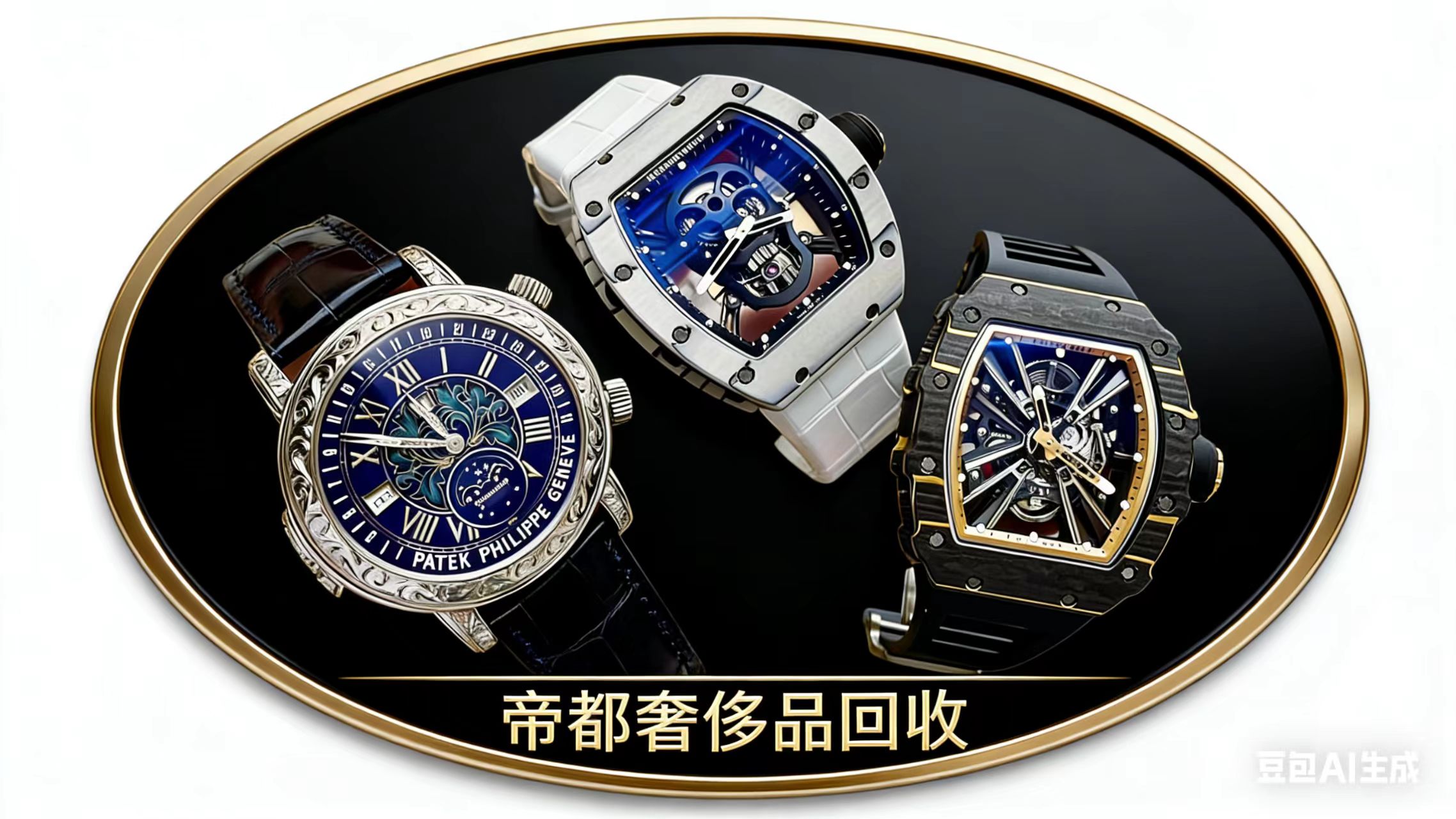
机芯动力来源分类 名表回收价值差异 | Movement Power Source Classification Watch Recycling Value Gap
机芯动力来源分类
在手表的世界中,机芯是灵魂。它决定了精确度和持久性。常见的机芯动力来源主要分为三类:机械机芯、石英机芯和智能机芯。
机械机芯
机械机芯分为手动和自动两种。手动机芯需要定时上弦,而自动机芯则依靠佩戴者的运动来驱动。这种传统工艺,无疑是一种艺术。在某些奢侈品牌如百达翡丽(Patek Philippe)和劳力士(Rolex),其机芯复杂程度令人咋舌,想象一下,那每一枚手表的制作都需耗费数百小时,真的值得吗?
石英机芯
石英机芯以其准确性而闻名。每年有超过五十%的手表使用这种技术。相比于机械机芯,石英机芯的维护成本低得多。这也是为什么许多人选择像卡西欧(Casio)这样的品牌。简单、耐用,正符合现代生活的快节奏需求。
智能机芯
智能手表则是另一个趋势。它们不仅仅是时间的记录者,更是生活的助手。通过健康监测、消息提醒等功能,让我们更加便利。然而,它们的保值率却相对较低。谁还会在乎一年后价格大跌的智能手表呢?
名表回收价值差异
在名表回收市场,不同机芯类型的手表潜在价值天差地别。例如,某品牌名表回收时,采用机械机芯的手表通常可以达到原价的70%以上,而石英手表可能不足30%。这是因为机芯稀缺性与技术含量的不同。
- 例如,一块劳力士的机械款,二手市场的价值高达10万元人民币。
- 而一块普通石英品牌,比如某个知名日本品牌,其回收价格可能仅在3000元左右。
具体案例分析
比如说,假设有一块限量版的雅克德罗(Jaquet Droz)机械手表,因其复杂的机芯设计和工艺,回收时非常容易被鉴定并以高价收购。此外,名表鉴定服务也成为了增值的一环。有些专业机构提供详细的历史跟踪和真伪认证,这在名表置换中尤其重要。
而在帝都奢侈品回收市场,名表回收相对成熟,许多消费者已了解机芯对价值的影响。显然,选择合适的平台来交易,能够最大化回收价值。
总结思考
在手表的魅力背后,机芯的选择不仅影响佩戴体验,更直接关系到未来的投资回报。为何不选一块身世显赫的名表呢?毕竟,时间才是最宝贵的资产。
Movement Power Source Classification
In the world of watches, the movement is the soul. It determines accuracy and longevity. The common movement power sources are mainly divided into three categories: mechanical movements, quartz movements, and smart movements.
Mechanical Movements
Mechanical movements can be further divided into manual and automatic types. Manual movements require winding at regular intervals, while automatic movements rely on the wearer's motion for power. This traditional craft is undoubtedly an art. In certain luxury brands like Patek Philippe and Rolex, the complexity of their movements is astonishing. Imagine the hundreds of hours spent on creating each watch—Isn’t it worth it?
Quartz Movements
Quartz movements are renowned for their accuracy. Over fifty percent of watches use this technology each year. Compared to mechanical movements, the maintenance cost of quartz movements is significantly lower. This is why many people opt for brands like Casio. Simple and durable, it perfectly fits the fast-paced demands of modern life.
Smart Movements
Smartwatches represent another trend. They are no longer just timekeepers but assistants in life. Through health monitoring and message alerts, they make our lives more convenient. However, their value retention rate is relatively low. Who cares about a smartwatch that plummets in price after a year?
Differences in Watch Recycling Value
In the watch recycling market, the potential value differs greatly among various movement types. For instance, when recycling luxury watches, those with mechanical movements often fetch over 70% of their original price, while quartz watches may gather less than 30%. This is due to the differences in movement scarcity and technical content.
- For example, a Rolex mechanical model can reach a second-hand market value of 100,000 RMB.
- In contrast, a typical quartz brand, like a well-known Japanese brand, may only have a recycling price around 3,000 RMB.
Specific Case Analysis
Take, for instance, a limited edition Jaquet Droz mechanical watch; due to its complex movement design and craftsmanship, it is easily authenticated and bought back at a high price. Furthermore, watch authentication services have become a vital part of value addition. Some professional institutions offer comprehensive historical tracking and authenticity certification, which is particularly important in watch replacement.
In the Beijing luxury goods recycling market, watch recycling is relatively mature, and many consumers understand the impact of movements on value. Clearly, choosing the right platform for transactions can maximize recycling value.
Reflective Thoughts
Behind the allure of watches, the choice of movement not only affects the wearing experience but also directly relates to future investment returns. Why not choose a watch with a prestigious background? After all, time is the most valuable asset.