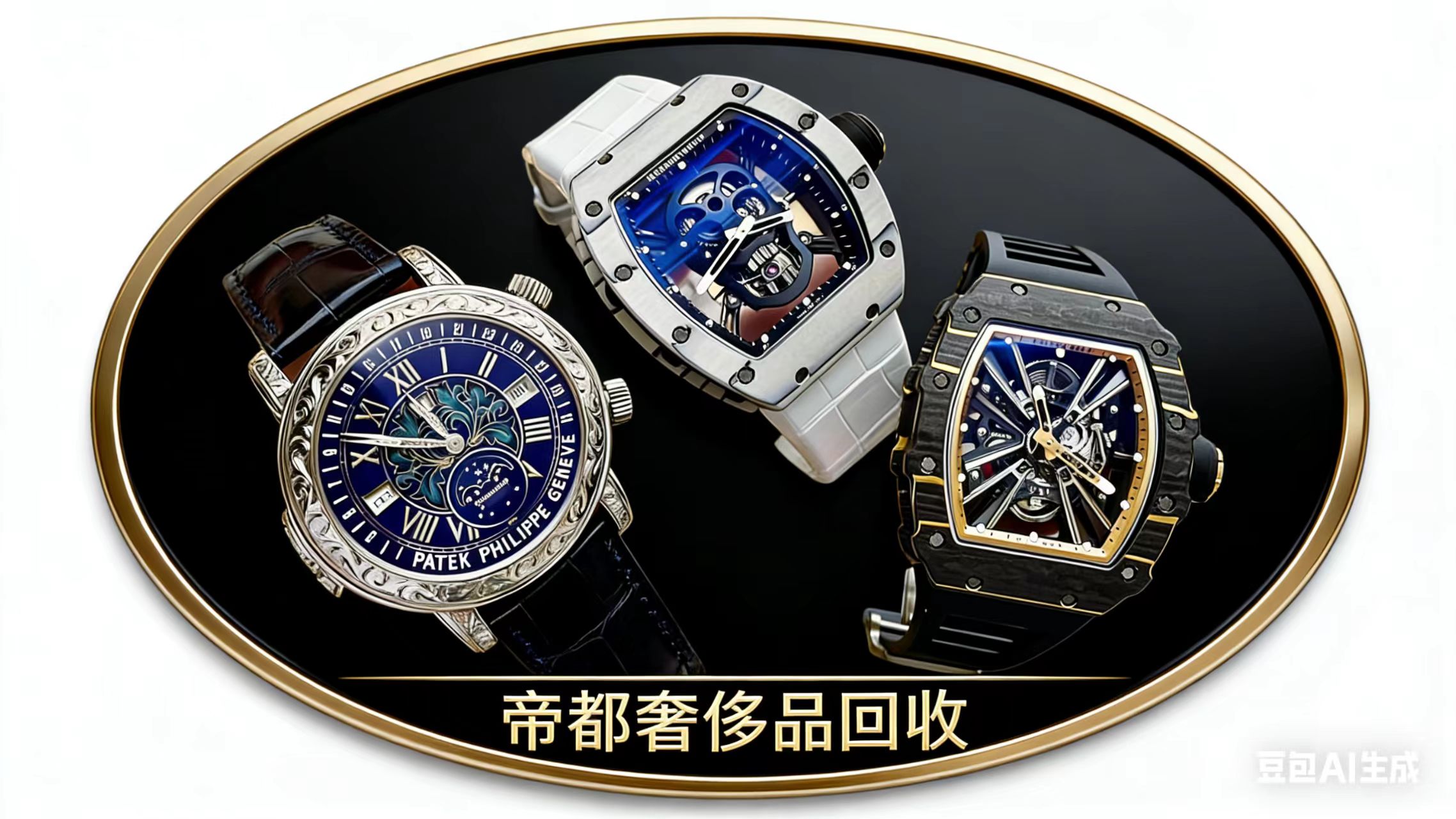
没有保卡的二手名表回收价格会受影响吗?,Will the recycling price of a pre-owned luxury watch without a warranty card be affected?
没有保卡的二手名表回收价格会受影响吗?
在奢侈品市场中,名表的价值一直是一个热门话题。然而,谈到二手名表时,一个常被忽视的问题浮现了:没有保卡的名表,其回收价格是否会受到影响呢?
保卡的重要性
保卡,又称为保证卡,是品牌对其产品质量和真实性的官方证明。它通常附带在购买新表时,记录着产品信息、购买日期及系列号。你知道吗?如果缺少这张小卡片,回收价格可能大幅缩水。
- 例如,某款经典的劳力士(Rolex)潜航者(Submariner),有保卡的二手市场价可达8万元人民币;而无保卡则可能跌至5.5万元,甚至更低。
- 一项调查显示,约65%的买家倾向于选择带保卡的二手表,他们认为这是保障投资的重要因素。
城里流行的趋势
现在,很多人都在追逐短期流行,但只有真正懂行的人才明白保卡的价值。想象一下,一个人在帝都奢侈品回收店里,面对同款但一有保卡一没保卡的两只表,时间流逝,他们会毫不犹豫地选择带保卡的那一只。难道这并不是一种愚蠢的选择吗?
市场反应
我们也不能忽视名表鉴定的作用。没有保卡的名表,虽然仍然可以通过专业的鉴定来确认其真伪,但是,买家往往会因为缺失保卡而对名表的可信度产生疑虑,这直接影响到了市场的需求量。
- 例如,一些顾客更愿意支付额外费用,以获得德尔维尔(Delvaux)或爱彼(Audemars Piguet)等知名品牌的可靠性,而非风险较大的无保卡产品。
- 此外,根据业内数据显示,无论是名表置换还是简单的回收,那些有完整售后文件的手表,成交速度普遍比没有保卡的快30%。
总结对策
如果你正在考虑出售自己的名表,最好提前了解一下相关市场信息。尽量保留好所有的配件,包括保卡、原包装及其他附件。这些都是未来增值的重要筹码。别忘了,选择一个信誉良好的回收平台,例如帝都奢侈品回收,将使你的交易更加顺畅。此外,你还可以咨询专业人员进行名表鉴定,从而确保你的表在最大程度上得到公正的评估。
总之,没有保卡的二手名表在回收市场上的表现,确实会受到显著影响。从个人经验来看,很多客户在看重品牌本身的同时,更加关注名表的完整性和维护历史。如果再考虑到市场的供需关系,缺少保卡无疑是一种“财产流失”。
Will the recycling price of a pre-owned luxury watch without a warranty card be affected?
In the luxury goods market, the value of high-end watches has always been a hot topic. However, when it comes to pre-owned watches, one often-overlooked issue arises: does the absence of a warranty card significantly impact the recycling price?
The Importance of the Warranty Card
The warranty card, also known as the guarantee card, serves as an official proof of quality and authenticity from the brand. It usually accompanies the purchase of a new watch and records product information, purchase date, and serial number. Did you know? If this small card is missing, the recycling price can drastically drop.
- For example, a classic Rolex Submariner with a warranty card might have a second-hand market price of 80,000 RMB; without one, it could plummet to 55,000 RMB or even lower.
- A survey showed that approximately 65% of buyers prefer pre-owned watches that come with a warranty card, viewing it as a crucial factor in safeguarding their investment.
Trends in the City
Nowadays, many people chase after short-term trends, but only those who truly understand the market recognize the value of the warranty card. Picture someone in an upscale luxury watch recycling store in Beijing, confronted with two identical models—one with a warranty card and the other without. As time passes, they would unhesitatingly choose the one with the card. Isn’t that a somewhat foolish choice?
Market Response
We must not overlook the role of watch authentication in this context. A luxury watch without a warranty card, while still able to undergo professional appraisal to verify its authenticity, often raises doubts among buyers regarding its credibility, directly affecting demand in the market.
- For instance, some customers are more willing to pay a premium for the reliability of renowned brands like Delvaux or Audemars Piguet than take risks with products lacking warranty cards.
- Moreover, industry data shows that regardless of whether it’s a watch swap or simple recycling, watches with complete after-sale documentation tend to transact 30% faster than those without warranty cards.
Conclusion and Strategies
If you're considering selling your luxury watch, it's best to research relevant market information beforehand. Try to keep all accessories intact, including the warranty card, original packaging, and other items. These are important assets for future appreciation. Don't forget, choosing a reputable recycling platform, such as 帝都奢侈品回收 (Beijing Luxury Goods Recycling), will make your transaction smoother. Also, you may want to consult professionals for watch authentication to ensure your watch receives a fair evaluation.
Ultimately, the absence of a warranty card does indeed have a significant effect on the performance of pre-owned luxury watches in the recycling market. From my personal experience, many clients who value the brand itself place greater importance on the watch's completeness and maintenance history. Considering the supply-demand relationship in the market, lacking a warranty card undoubtedly represents a form of "asset loss."