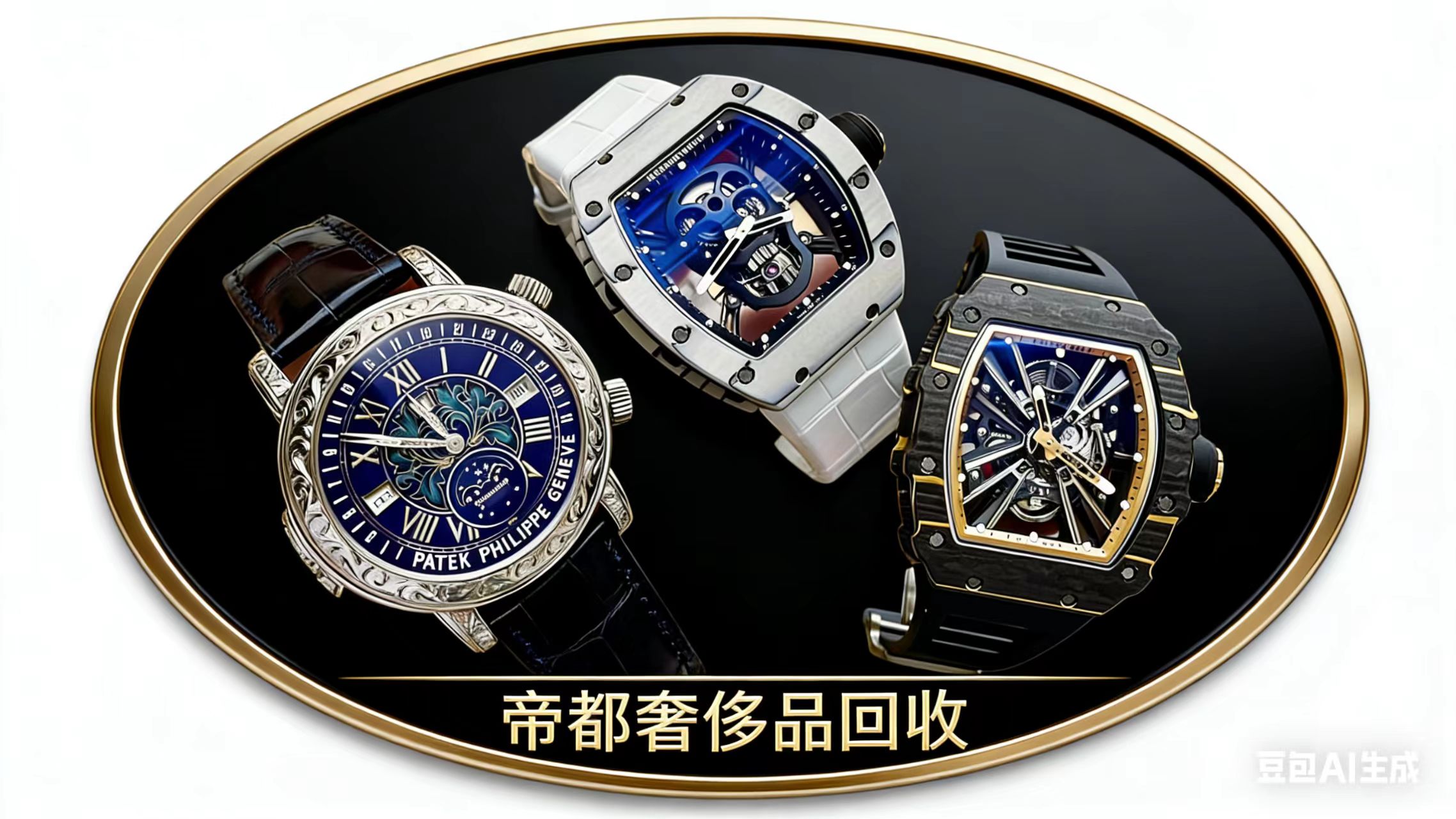
流通性差的手表有哪些?回收商直接不碰,Which watches have poor liquidity? Recyclers don’t touch them directly?
流通性差的手表有哪些?
手表市场如同一片复杂的海洋。并不是所有的手表都有良好的流通性。有些品牌、型号因为多种原因,注定在二级市场上难以找到买家。比如,某些限量版手表,虽然外表华丽,却因其过高的售价而遭遇冷遇。你可能会问,为什么那些高档品牌的手表也能流通不畅呢?这确实是个值得思考的问题。
名表回收商关心哪些因素?
对于手表回收商而言,流通性的几个关键指标包括:品牌知名度、市场需求、稀缺性及定价策略等。以某些“反向潮流”的设计为例,比如某些日本品牌的数字手表,它们虽然在年轻人中有一定的认同感,但在奢侈品回收市场却几乎无人问津。这就导致了他们的流通性极差。
- 限量款与特殊版:尽管有些限量款手表看似稀有,但如果它们的设计过于另类,或者价格定位不合理,最终也会影响到销售。
- 老旧款式:例如,某些二十世纪九十年代流行的手表,现在被视为过时,导致其在现今市场中的流通性大打折扣。
- 低知名度品牌:一些小众品牌市场影响力有限,造成它们在手表回收行业中基本无存在感。
具体案例分析
让我们看看一个真实的案例。某品牌的限量款“自动表”,原本售价五万,但由于其设计风格过于复杂,且在市场上并不被广泛接受,结果连回收商都对其敬而远之。此类手表不仅流通性差,甚至在购买后短时间内贬值严重。
相对而言,一些普通的经典款,如劳力士的水鬼或欧米茄的海马系列,因其稳定的市场需求和良好的品牌口碑,通常能够保持较高的流通性。这种对比令人唏嘘,毕竟钱花出去了,却无法找人接盘!
流通性差的手表总结
综合来看,有几个特点使得手表流通性变得薄弱。首先是品牌认知,知名品牌一般更容易被接受;其次是市场需求。如果某个型号被市场冷落,那么再高级也无济于事。此外,价格策略也是重要因素。适当的定价能够有效提升流通性,而过高或过低的定价则可能使手表流入冷宫。
在这样的背景下,手表回收的生态圈也显得更加复杂。想要避免流通性差的问题,消费者在选购手表时,应考虑选择那些口碑良好、需求稳定的品牌和型号。同时,了解行业动态,关注市场变化也显得尤为重要。如果你现在正考虑购买或回收手表,帝都奢侈品回收或许是一个值得信赖的选择。
Which watches have poor liquidity?
The watch market is like a complex ocean. Not all watches have good liquidity. Some brands and models are doomed to struggle in the secondary market for various reasons. For example, certain limited edition watches, while flashy on the outside, face rejection due to their exorbitant prices. You might wonder, why do even high-end brand watches suffer from poor liquidity? This is indeed a thought-provoking question.
What factors concern watch recyclers?
For watch recyclers, several key indicators of liquidity include: brand recognition, market demand, scarcity, and pricing strategy. Take certain "reverse trend" designs as an example. Some Japanese digital watches may have a niche acceptance among young people, yet they remain almost unsellable in the luxury watch recycling market. This leads to extremely poor liquidity.
- Limited editions and special versions: While some limited edition watches appear rare, if their designs are too unconventional or their price points unreasonable, it ultimately affects sales.
- Outdated styles: For instance, certain watches popular in the 1990s are now deemed outdated, leading to a significant drop in their liquidity in today's market.
- Low-recognition brands: Some niche brands lack market influence, effectively rendering them invisible in the watch recycling industry.
Specific Case Analysis
Let's look at a real case. A limited edition automatic watch from a brand was originally priced at 50,000, but due to its overly complex design and a lack of widespread acceptance in the market, even recyclers shy away from it. Such watches not only suffer from poor liquidity but can also depreciate significantly shortly after purchase.
In contrast, some classic models, such as Rolex Submariner or Omega Seamaster series, tend to maintain higher liquidity due to stable market demand and a good brand reputation. This comparison is striking; after all, money has been spent, yet no one wants to take over!
Summary of Watches with Poor Liquidity
Overall, several characteristics contribute to weak liquidity in watches. First, there’s brand recognition. Well-known brands generally find it easier to be accepted. Second, market demand plays a crucial role. If a model is neglected by the market, then it doesn't matter how premium it is. Additionally, pricing strategy is another important factor. Appropriate pricing can effectively enhance liquidity, while excessively high or low pricing might push watches into obscurity.
Given this context, the ecosystem of watch recycling appears increasingly intricate. To avoid the issue of poor liquidity, consumers should consider purchasing watches from brands and models that have a solid reputation and stable demand. Moreover, understanding industry trends and keeping an eye on market changes is particularly essential. If you're currently considering buying or recycling a watch, 帝都奢侈品回收 might be a trustworthy choice.