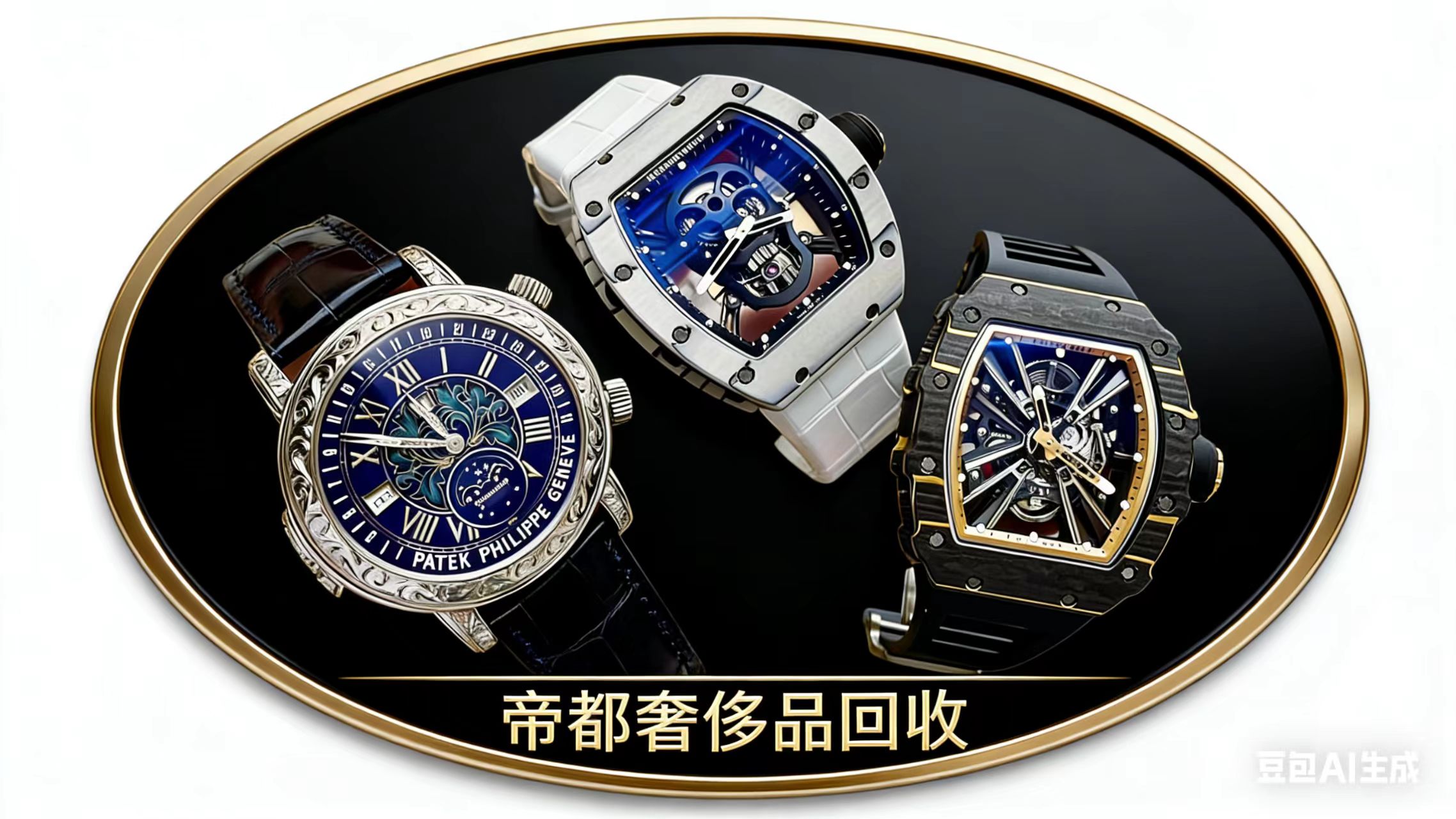
珐琅表盘工艺复杂 名表回收高价值原因 | Enamel Dial Craft Complexity Reason for High Recycling Value
珐琅表盘的工艺复杂性
在奢侈品腕表行业中,珐琅表盘以其独特的美观及复杂的制作工艺闻名。而这种工艺不仅增添了手表的美感,同时也显著提高了其市场价值。
珐琅表盘的制作过程
制作一个珐琅表盘通常需要经过多个步骤,每一步都要求极高的技艺和耐心。首先,制表师需将金属底盘清洗和打磨,以确保其光滑无瑕。接下来,制表师会将基础珐琅粉末与水混合,形成一种粘稠的浆状物,然后均匀地涂抹于金属表盘上。
这一过程之后,表盘必须经过高温烧制,在这个阶段,珐琅会与金属结合并形成坚固的表面。这种烧制过程可能需要重复多次,以达到所需的色彩和光泽度。因此,真正制作一只珐琅表盘的时间可长达数周甚至数月。
颜色与设计的多样性
珐琅表盘的设计不仅仅局限于单一的颜色,而是可以通过不同的技法实现渐变、图案和复杂的艺术效果。例如,使用“Limoges”技法,制表师能够创造出细腻而生动的风景或图案,这些在传统材料上难以实现的效果,进一步增强了手表的独特性。
名表回收的高价值原因
珐琅表盘的复杂工艺直接影响着名表的回收价值。以下几个因素皆为促成这一现象的重要原因:
- 稀缺性:由于制作过程繁复,具有高品质珐琅表盘的手表相对较少,使得这些手表在二手市场上更具吸引力。
- 艺术价值:珐琅工艺本身被视为一种艺术形式,因此带有此类表盘的手表往往被认为是收藏品,增值潜力巨大。
- 品牌影响力:一些知名品牌如百达翡丽、卡地亚等,其珐琅表盘腕表在市场上的认可度较高,使得其回收价位也随之提升。
- 技术含量:名表鉴定时,珐琅表盘因其工艺复杂性而通常被赋予更高的评价,从而影响到整体的回收价格。
名表置换的市场趋势
随着消费者对于奢侈品消费理念的变化,名表置换逐渐成为一种新兴趋势,尤其是在拥有珐琅表盘的手表回收中。许多人为了追求更新潮的款式或改善投资组合,选择通过正规的渠道进行名表回收。帝都奢侈品回收等品牌正是顺应这种趋势,为消费者提供了更加便捷、透明的服务。
对未来市场的影响
随着人们对高品质生活的追求,珐琅表盘手表作为奢侈品的代表,其市场需求预计持续上升。这不仅使得相关品牌愈发重视珐琅工艺的传承与创新,更让名表回收的价值稳步上涨。由此可见,珠宝与腕表行业内的任何细微变化,都会对消费者的选择与投资方向产生深远影响。
总结
综上所述,珐琅表盘的复杂工艺以及其所带来的高价值,使得名表回收的市场充满活力。在未来,随着技术不断进步和消费者需求的变化,珐琅表盘及其衍生产品的价值也将持续攀升。
Enamel Dial Craft Complexity
In the luxury watch industry, enamel dials are renowned for their unique aesthetics and complex manufacturing processes. This craft not only enhances the beauty of a timepiece but also significantly increases its market value.
The Production Process of Enamel Dials
Creating an enamel dial typically involves multiple steps, each requiring exceptional skill and patience. Initially, the watchmaker must clean and polish the metal base to ensure a smooth surface free from flaws. Next, a mixture of basic enamel powder and water is prepared to form a viscous paste, which is then evenly applied onto the metal dial.
Following this, the dial must undergo high-temperature firing; at this stage, the enamel will adhere to the metal and create a durable surface. This firing process may need to be repeated several times to achieve the desired color and lustrous finish. As such, the actual crafting of an enamel dial can take weeks or even months.
Diversity of Colors and Designs
The design possibilities for enamel dials are not limited to a single color; rather, various techniques can be employed to achieve gradients, patterns, and intricate artistic effects. For instance, by utilizing the “Limoges” technique, watchmakers can create delicate and vibrant landscapes or patterns—effects that are difficult to achieve with traditional materials—thus enhancing the uniqueness of these watches.
Reasons for High Recycling Value of Luxury Watches
The complexity of enamel craftsmanship directly influences the recycling value of luxury watches. Several key factors contribute to this phenomenon:
- Scarcity: Due to the labor-intensive production process, high-quality enamel-dialed watches are relatively rare, making them more attractive in the second-hand market.
- Artistic Value: The enamel craft itself is regarded as a form of art, hence watches featuring such dials are often seen as collectibles with great potential for appreciation.
- Brand Influence: Renowned brands like Patek Philippe and Cartier tend to have higher recognition for their enamel-dialed watches, thus boosting their resale values.
- Technical Quality: During the watch appraisal process, enamel dials are typically assigned higher evaluations due to their complexity, consequently affecting overall recycling prices.
Market Trends in Watch Swapping
With the evolving consumer mindset towards luxury expenditures, watch swapping has gradually emerged as a burgeoning trend, especially in the context of recycling enamel-dialed watches. Many individuals opt to engage in legitimate channels for watch recycling, driven by a desire to pursue newer styles or enhance their investment portfolios. Brands like Emperor's Luxury Goods Recycling are adapting to this trend by offering consumers more convenient and transparent services.
Impact on Future Markets
As consumers increasingly seek high-quality lifestyles, enamel-dialed watches—which represent luxury goods—are expected to maintain rising market demand. This not only compels relevant brands to place greater emphasis on the inheritance and innovation of enamel craftsmanship but also allows the recycling values of luxury watches to steadily increase. Thus, any subtle changes within the jewelry and watch industries can profoundly affect consumer choices and investment directions.
Conclusion
In summary, the intricate craftsmanship of enamel dials and the high value they confer make the luxury watch recycling market vibrant. In the future, as technology continues to advance and consumer demands evolve, the value of enamel dials and their derivatives is likely to keep ascending.