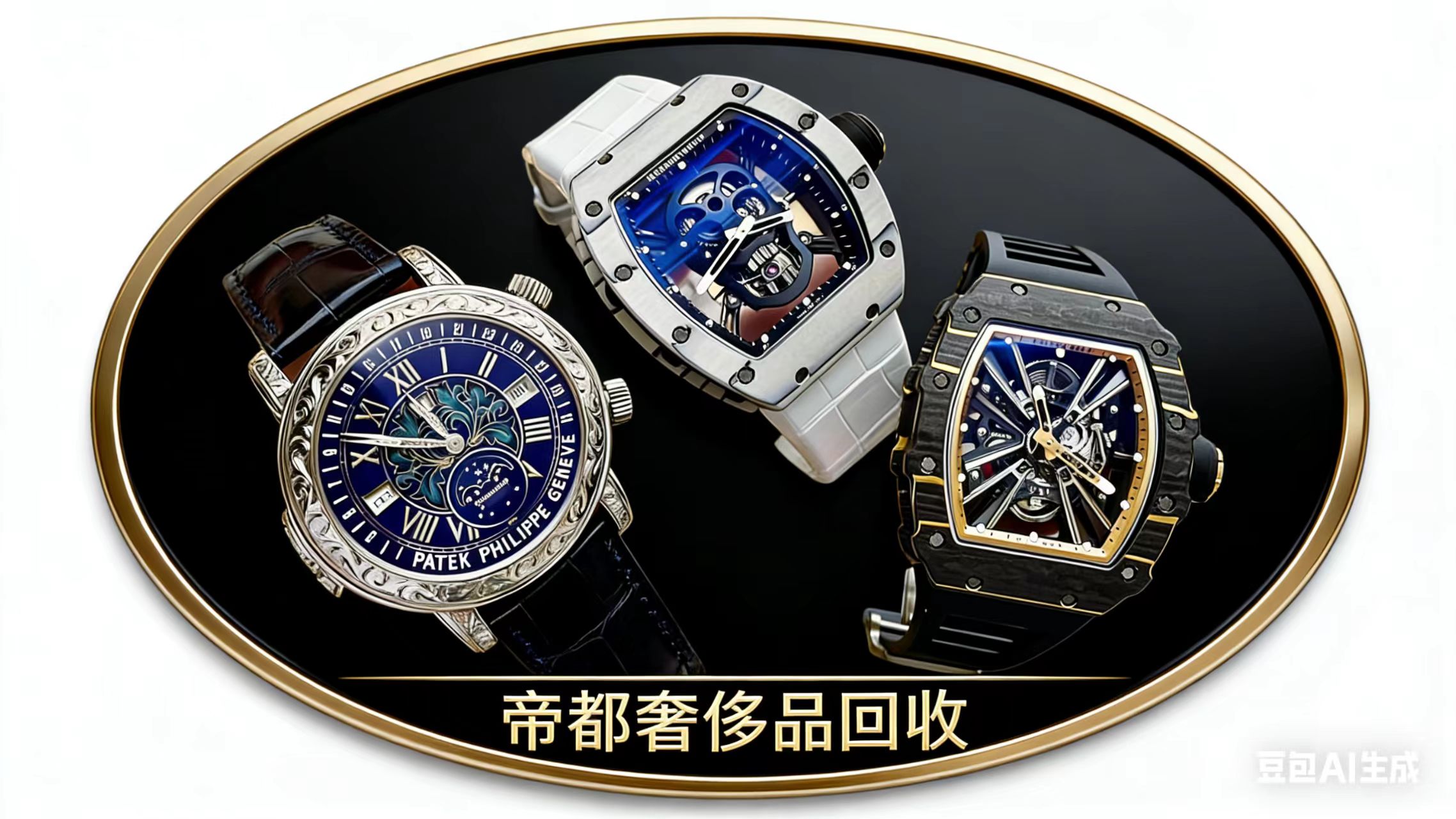
自产机芯vs统芯 名表回收价值差异 | In-house vs Universal Movement Watch Recycling Value Difference
自产机芯与统芯的较量
名表回收的市场上,自产机芯与统芯之间的争论从未停止。一个品牌的“心脏”,将决定它的价值。不少消费者对此感到疑惑:为何同样是名表,采用不同机芯的售价差异如此之大?
机芯类型解析
我们首先了解这两种机芯。简单来说,自产机芯(如劳力士的Caliber 3130)是品牌自己研发和制造的,而统芯(像ETA 2824)则是由第三方供应商提供的。
- 自产机芯:精密、复杂、独特。
- 统芯:稳定、易维护、成本低。
真实案例
想象一下,一个热爱手表的收藏家。他在一场拍卖会上见到了两款相似的手表,分别是某知名奢侈品牌的自产手表和另一款使用统芯的经典款。前者的起拍价高达5万人民币,而后者则仅需2万。这不是巧合,而是价值认知的体现。
价值差异分析
那么,究竟是什么让自产机芯的手表在名表回收时更具优势呢?理论上,自产机芯的复杂性和稀缺性使其成为了市场上的“稀有品”。然而,这是否意味着统芯的手表就没有价值?显然不是!
例如,一款搭载ETA机芯的名表,若是限量版,其名表回收价值也可能达到预期。甚至一些年轻品牌,依托于高效的生产线和良好的技术,推出了性价比极高的选项,这也让名表领域出现了某种程度的“平民化”现象。
品牌影响力
此外,品牌本身的影响力也是不可忽视的因素。就像帝都奢侈品回收所显示的,某些品牌即使采用统芯,它们的市场认可度依然很高。反观一些小众品牌,即使有着自产机芯,但由于品牌知名度低,在名表回收过程中仍然难以获得理想的价格。
未来趋势
未来值得关注的是,随着技术的发展,越来越多的品牌开始尝试自制机芯,但同时也有高水平的统芯厂家不断创新。这是否意味着名表的价值评估标准会重新被定义?谁能说得清楚呢?
总结
总的来说,不同机芯在名表回收中的表现各有千秋。消费者在选择时,更应该关注自身的需求及喜好,而非单纯地盲目追求自产机芯的“光环”。
最后,记住一个道理:手表是佩戴的艺术,不是单纯的投资工具。你会为那份情怀而珍惜,还是仅为金钱而抉择?
In-house vs Universal Movement: The Watch Recycling Value Difference
In the watch recycling market, the debate between in-house movements and universal movements has never ceased. The "heart" of a brand determines its value. Many consumers are puzzled: why is there such a vast price difference for watches with different movements?
Movement Type Analysis
Let's first understand these two types of movements. Simply put, in-house movements (like Rolex's Caliber 3130) are developed and manufactured by the brand itself, while universal movements (such as ETA 2824) are provided by third-party suppliers.
- In-house movements: precise, complex, unique.
- Universal movements: stable, easy to maintain, lower cost.
Real Case Scenario
Imagine a watch collector who loves timepieces. At an auction, he encounters two similar watches, one from a well-known luxury brand featuring an in-house movement and another classic model using a universal movement. The former starts at a price of 50,000 RMB, while the latter only costs 20,000. This is not a coincidence but a reflection of value perception.
Value Difference Analysis
So what gives in-house movement watches an advantage in value during recycling? Theoretically, the complexity and scarcity of in-house movements make them a "rare item" in the market. However, does this mean watches with universal movements hold no value? Clearly not!
For example, a limited edition watch equipped with an ETA movement may achieve expected returns during recycling. Even some young brands, relying on efficient production lines and good technology, have launched high-cost performance options, leading to a degree of "democratization" in the luxury watch sector.
Brand Influence
Moreover, the influence of the brand itself is also an essential factor. As seen in the operations of 帝都奢侈品回收, some brands still hold high market recognition even when using universal movements. In contrast, lesser-known brands with in-house movements struggle to achieve ideal prices in the recycling process due to their low brand visibility.
Future Trends
A future trend worth noting is that more and more brands are attempting to manufacture their movements as technology advances, while simultaneously, high-level universal manufacturers continue to innovate. Does this imply that the standards for evaluating watch values will be redefined? Who can say for sure?
Conclusion
In summary, the performance of different movements in watch recycling has its pros and cons. Consumers should focus more on their needs and preferences rather than blindly pursuing the "halo effect" of in-house movements.
Lastly, remember this principle: A watch is a wearable art, not merely an investment tool. Will you cherish it for that sentiment, or will you choose solely for monetary reasons?