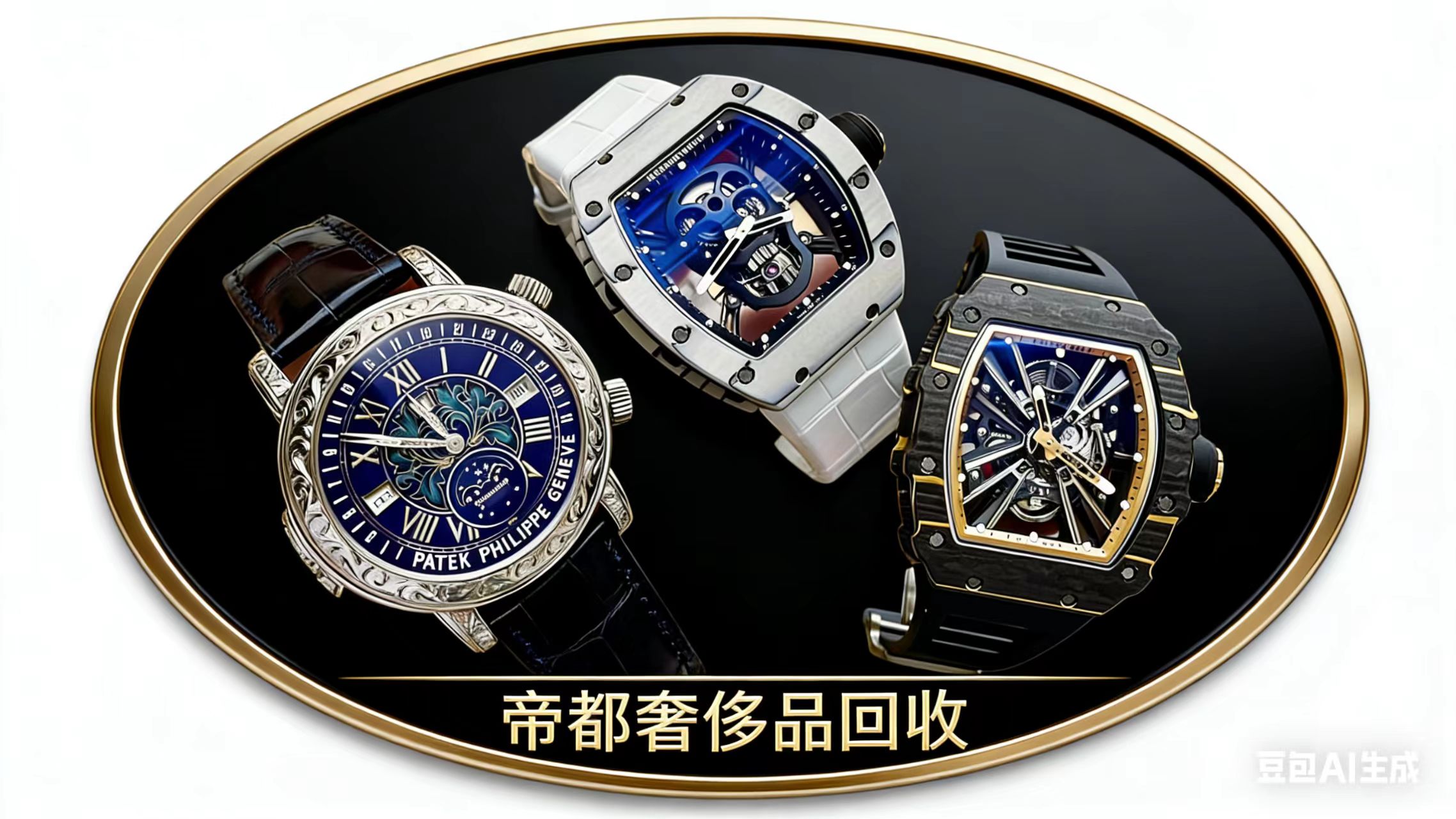
钛陶瓷复合材质 名表回收新材质溢价 | Titanium Ceramic Composite Material New Premium for Recycling
钛陶瓷复合材料的定义与应用
钛陶瓷复合材料,作为一种新兴的高性能工业材料,近年来开始受到越来越多奢侈品行业的关注。这种材料通过将钛和陶瓷的优良特性结合在一起,不仅具有极高的耐磨性,还兼具轻量化和美观性,因此被广泛应用于高端名表的制作中。
缔造卓越性能
钛陶瓷复合材料的独特优势在于其出色的物理性能。首先,钛的强度使得这种材料在保持轻便的同时,亦能抵御外部环境对手表的损害。其次,陶瓷的硬度则增强了表壳的耐刮擦能力,这样一来,消费者在佩戴过程中可以减少因日常摩擦而造成的磨损。此外,该材料还具备抗腐蚀的性质,能够有效应对各种生活场景。
名表回收市场的变革
随着钛陶瓷复合材料的逐渐普及,名表的价值体系也出现了显著的变化。在传统的名表回收市场中,材料的选择往往影响到手表的二手定价。而如今,采用这一新型材料的名表由于其卓越的性能和独特的视觉效果,往往具备更高的溢价空间。
名表鉴定的新标准
在进行名表鉴定时,钛陶瓷复合材料的使用成为一个新的评估标准。当鉴定师对手表进行检查时,除了关注品牌、型号等基本信息外,对材料特性、制造工艺的分析也愈加重要。尤其是在流行的名表置换市场中,消费者对于新型材质的认可程度直接影响着名表的流通性与价值评估。
与传统材料的对比
相较于传统的不锈钢或黄金等材料,钛陶瓷复合材料显然具备了一系列显著的竞争优势:
- 重量轻: 钛陶瓷的轻量化设计让佩戴者几乎感受不到负担,适合长时间佩戴。
- 耐刮擦: 陶瓷的硬度确保了表面不会因为日常接触而产生细小划痕。
- 抗腐蚀性: 相比于金属材料,钛陶瓷更能抵御潮湿和汗水的侵蚀。
帝都奢侈品回收的机遇
在北京这样的奢侈品市场,随着消费者对新技术材料认识的提升,帝都奢侈品回收机构如雨后春笋般崛起,及时捕捉到钛陶瓷复合材料带来的新机遇。这种材料的崛起不仅为名表回收提供了新的价值依托,也推动了整个行业向更透明、更专业的方向发展。
未来展望
在未来的名表市场,钛陶瓷复合材料的应用有望持续扩张。随着越来越多的品牌开始采用这一材料,相关的名表鉴定、名表回收服务也将不断完善,为消费者提供更多的选择和保障。在这一过程中,如何准确评估材料所带来的价值,将是奢侈品行业必须面对的挑战。
结语
钛陶瓷复合材料作为名表回收领域的一种新兴材质,其独特的优越性与市场潜力,相信将在未来引领奢侈品行业的新风潮。
Definition and Application of Titanium Ceramic Composite Material
Titanium ceramic composite material, as an emerging high-performance industrial material, has garnered increasing attention in the luxury goods industry in recent years. By combining the excellent properties of titanium and ceramics, this material not only boasts high wear resistance but also features lightweight and aesthetic appeal, making it widely used in the production of high-end watches.
Creating Superior Performance
The unique advantages of titanium ceramic composite materials lie in their outstanding physical properties. First, the strength of titanium ensures that this material can withstand external environmental damage while remaining lightweight. Second, the hardness of ceramics enhances the scratch resistance of the watch case, thereby reducing wear caused by everyday friction during use. Furthermore, this material possesses corrosion resistance, effectively coping with various life scenarios.
Transformation of the Watch Recycling Market
With the gradual popularity of titanium ceramic composite materials, the valuation system of watches has undergone significant changes. In the traditional watch recycling market, the choice of materials often influences the secondary pricing of watches. Nowadays, watches made from this new material tend to have a higher premium due to their superior performance and unique visual effects.
New Standards for Watch Appraisal
When appraising watches, the use of titanium ceramic composite materials has become a new evaluation standard. In addition to considering basic information such as brand and model, appraisers are increasingly analyzing material characteristics and manufacturing processes. Especially in the popular watch exchange market, consumer recognition of new materials directly affects the liquidity and value assessment of watches.
Comparisons with Traditional Materials
Compared to traditional materials like stainless steel or gold, titanium ceramic composite materials clearly possess several remarkable competitive advantages:
- Lightweight: The lightweight design of titanium ceramics ensures that wearers hardly feel any burden, making them suitable for long-term wear.
- Scratch Resistance: The hardness of ceramics ensures that the surface does not develop minor scratches due to daily contact.
- Corrosion Resistance: Compared to metal materials, titanium ceramics are better at resisting moisture and sweat corrosion.
Opportunities in the Luxury Goods Recycling Market
In luxury markets like Beijing, with consumers becoming more aware of new technology materials, luxury goods recycling institutions are springing up like mushrooms after rain, promptly seizing the new opportunities brought by titanium ceramic composite materials. The rise of this material not only provides a new value basis for watch recycling but also promotes the entire industry toward greater transparency and professionalism.
Outlook for the Future
In the future watch market, the application of titanium ceramic composite materials is expected to continue to expand. As more brands begin to adopt this material, related watch appraisal and recycling services will also continuously improve, offering consumers more choices and guarantees. Throughout this process, accurately assessing the value brought about by materials will be a challenge that the luxury goods industry must face.
Conclusion
Titanium ceramic composite material, as an emerging material in the field of watch recycling, with its unique superiority and market potential, is believed to lead the luxury goods industry into a new trend in the future.