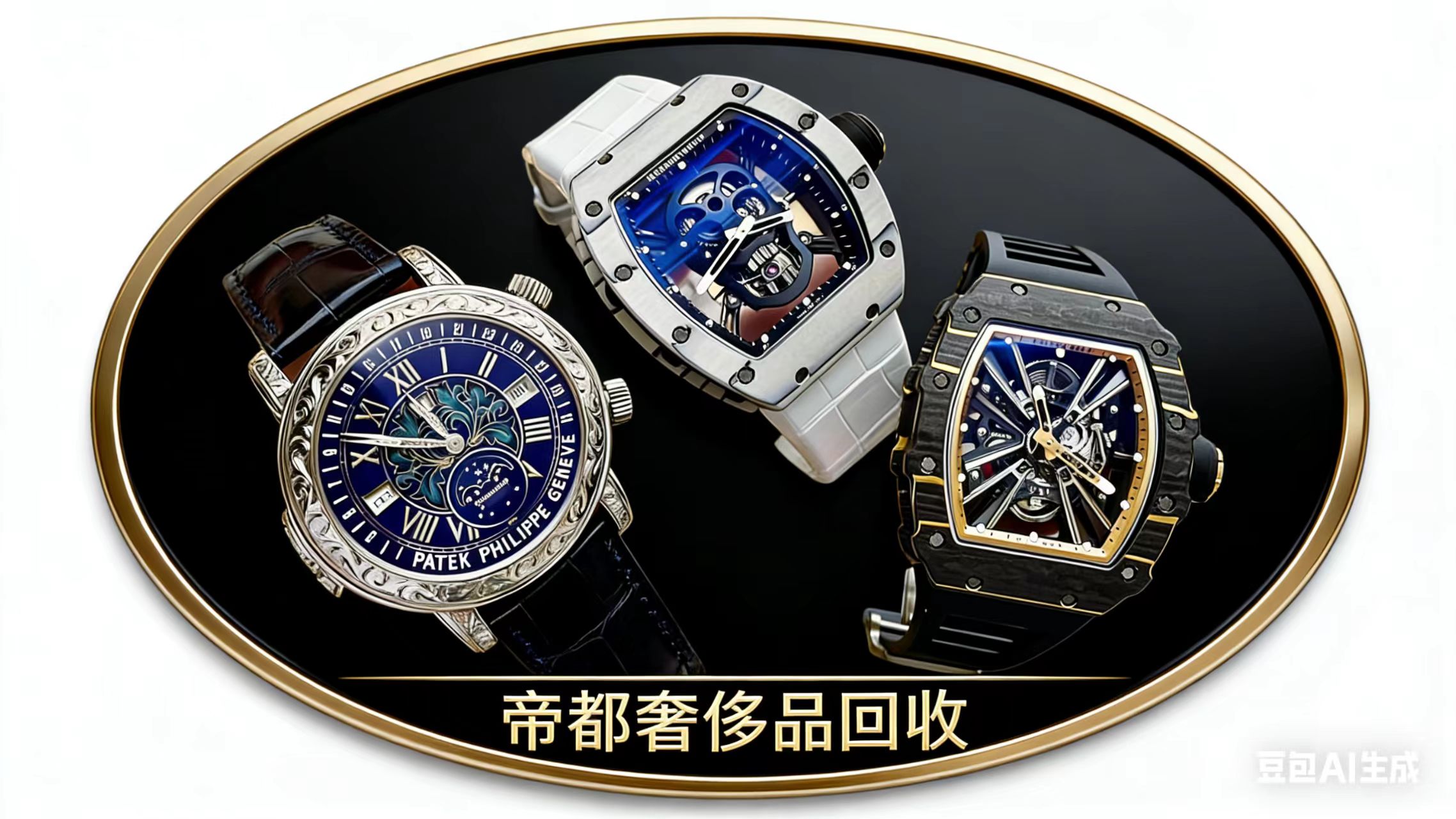
镀金表壳名表回收 镀层厚度影响定价 | Gold-plated Case Watch Recycling Plating Thickness Impact Price
镀金表壳名表回收的市场现状
随着人们生活水平的提高,奢侈品的消费已成为一种趋势。在这个背景下,名表作为奢侈品的一部分,其回收和置换也逐渐兴起。尤其是镀金表壳的名表,以其独特的外观和相对亲民的价格受到了不少消费者的青睐。
镀层厚度对定价的影响
在名表回收市场中,镀层的厚度对定价有着直接的影响。通常来说,镀层厚度越高,耐磨损性就越强,表面的光泽感也会更持久。这样的特点使得这些名表在二手市场上的保值能力相对较好。
事实上,许多消费者在购买时往往忽略了镀层厚度这一因素,而这正是影响未来回收价值的重要指标之一。当我们评估一只镀金表壳的名表时,首先需要关注的是它的镀层厚度及其工艺。
如何鉴定镀层厚度
名表鉴定并非易事,尤其是在面对镀金表壳时,专业的工具和知识显得尤为重要。一般而言,可以通过以下几种方法来判断镀层的厚度:
- 视觉检查:观察表面是否存在明显的磨损或剥落现象,这些都是镀层不够厚的表现。
- 使用测厚仪:最专业的方法是借助测厚仪器,直接测定镀层的具体厚度。
- 参考品牌资料:一些知名品牌会提供有关镀金层的详细信息,消费者可以据此进行判断。
镀金表壳的回收流程
如果你决定将镀金表壳名表进行回收,建议选择像帝都奢侈品回收这样的专业机构。他们不仅具有丰富的行业经验,还能提供精准的鉴定服务。
整个回收过程通常包括以下几个步骤:
- 初步评估:专家会对你的名表进行初步评估,通过外观、功能等基本因素给出一个大致的回收报价。
- 详细鉴定:如有必要,会进一步进行细致的检测,包括镀层厚度的测定。
- 成交与支付:双方达成一致后,完成交易并即时支付。
名表置换的优势
除了单纯的回收,名表置换也是一种非常流行的方式。消费者可以用旧表置换新表,既避免了贬值损失,也能以更合理的价格获得心仪的新品。
实际上,镀金表壳的名表在置换过程中同样受到镀层厚度的影响。越厚的镀层意味着旧表的价值更高,从而为你带来更多的置换优惠。
总结
总的来说,镀金表壳名表的回收与置换市场正在逐步成熟。了解镀层厚度对定价的影响,无疑能帮助消费者在未来的交易中做出更明智的决策。
Gold-plated Case Watch Recycling Market Status
With the improvement of people's living standards, the consumption of luxury goods has become a trend. In this context, watches, as part of luxury items, have gradually gained popularity for recycling and replacement. Especially gold-plated case watches are favored by many consumers due to their unique appearance and relatively affordable price.
The Impact of Plating Thickness on Price
In the watch recycling market, the thickness of the plating has a direct impact on pricing. Generally speaking, the thicker the plating, the stronger its wear resistance, and the more lasting the surface luster. These characteristics make these watches relatively good at retaining value in the second-hand market.
In fact, many consumers often overlook the thickness of the plating when purchasing, yet this is one of the important indicators that affect future resale value. When we evaluate a gold-plated case watch, we first need to focus on its plating thickness and craftsmanship.
How to Identify Plating Thickness
Watch identification is not an easy task, especially when it comes to gold-plated cases, where professional tools and knowledge are particularly important. Generally, you can determine the thickness of the plating through the following methods:
- Visual Inspection: Check for obvious signs of wear or peeling on the surface; these are indications of inadequate plating thickness.
- Use a Thickness Gauge: The most professional method is to use a thickness measuring instrument to directly measure the specific thickness of the plating.
- Reference Brand Materials: Some well-known brands will provide detailed information about the gold plating, which consumers can use for judgment.
The Recycling Process of Gold-Plated Cases
If you've decided to recycle your gold-plated case watch, it’s advisable to choose a professional institution like DiDu Luxury Goods Recycling. They not only possess rich industry experience but also offer accurate appraisal services.
The entire recycling process typically involves the following steps:
- Preliminary Assessment: Experts will conduct a preliminary assessment of your watch, providing a rough recycling quote based on appearance and functionality.
- Detailed Appraisal: If necessary, further detailed testing will be conducted, including measuring the plating thickness.
- Completion and Payment: Once both parties reach an agreement, the transaction is completed, and payment is made immediately.
The Advantages of Watch Replacement
In addition to simple recycling, watch replacement is also a very popular option. Consumers can exchange their old watches for new ones, avoiding depreciation losses and obtaining desirable new products at a more reasonable price.
In fact, the thickness of the plating similarly affects the value of gold-plated watches during the replacement process. The thicker the plating, the higher the value of the old watch, thus bringing you more replacement benefits.
Conclusion
Overall, the recycling and replacement market for gold-plated case watches is gradually maturing. Understanding the impact of plating thickness on pricing undoubtedly helps consumers make smarter decisions in future transactions.